
 EN
EN



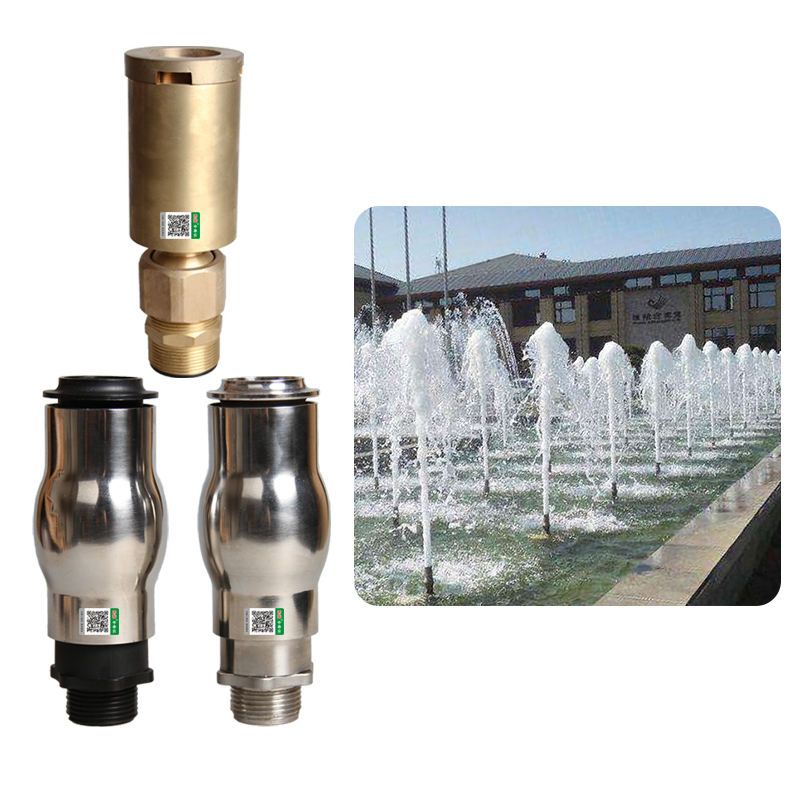
Why Foam Jet Fountains Are Ideal for Square and Geometric Landscapes
Foam jet fountains create those neat little towers of bubbly water that just seem to fit right into all those sharp angles and clean lines we see in modern landscapes. They're nothing like those old fashioned parabolic jets that shoot water everywhere in wild arcs nobody can predict. These foam jets stay put around 30 to 45 degrees apart, making solid vertical streams that actually help people see better across plazas and courtyards instead of getting in the way. The way they line up so symmetrically works great with grids and patterns, usually running somewhere between 50 and 300 gallons per minute. This creates those nice straight paths of water that match up with buildings and other structures. Landscape architects love arranging them in specific patterns because they turn big empty spaces into interesting places to hang out. Plus, the water doesn't splash much beyond about three feet away, which keeps walkways dry even when lots of people are moving through corporate campuses. And get this – the air bubbles in the water make it reflect light way better than regular water flows, boosting visibility during the day by around 70%. That means designers can place these fountains exactly where they want without worrying about tripping hazards or confusing pedestrians.
Design Principles for Integrating Foam Jet Fountains into Structured Spaces
Integrating foam jet fountains into geometric landscapes requires careful coordination between water dynamics and built form. These installations serve as kinetic focal points that enhance architectural integrity through deliberate alignment and proportion.
Harmonizing water movement with architectural lines and symmetry
When designers want to create visual harmony, they often program foam patterns so they match up with structural elements. Think about how staggered jets might line up with colonnades, or how radial sprays can mirror the shape of circular pavements. Research shows these matching water and architecture designs can boost how nice people think a space looks by almost two thirds according to a study published last year. Foam jets tend to be pretty stable with minimal splashing, which makes them great for creating exact geometric shapes. We see this everywhere now from grid like arrangements in business district plazas all the way to those neat concentric rings surrounding memorial sites. These water features actually blend into their surroundings instead of sticking out like sore thumbs.
Scale, proportion, and material coordination in plaza-scale installations
Successful installations follow a 1:3 height-to-width ratio—jet height should not exceed one-third of the shortest adjacent building facade. Material selection reinforces cohesion: stainless steel nozzles pair well with metallic facades, while stone-clad basins integrate seamlessly with granite or concrete hardscapes. Key technical guidelines include:
| Design Factor | Urban Plaza Guidance |
|---|---|
| Jet Spacing | Minimum 1.5x nozzle diameter |
| Basin Depth | 25-30% of max jet height |
| Surrounding Paving | Non-slip textured surfaces |
These proportional and material choices prevent visual overload and support accessibility, ensuring water, texture, and light interact purposefully in high-footfall areas.
Functional and Experiential Benefits of Foam Jet Fountain Technology
Low-splash, high-visibility performance for high-traffic plazas
Foam jet fountains really cut down on all that water splashing around everywhere, which makes them great choices for busy places like shopping mall plazas or city government buildings. These fountains work because they mix air into the water stream, so the fountain column stays intact even when there's a breeze blowing through the area. And best of all, it keeps most of the wet stuff contained right where it should be inside those specially designed basins. According to some recent studies from the Urban Safety Council back in 2023, these kinds of fountains actually reduced slip accidents by about two thirds in public spaces. Another big plus? The thick white mist looks amazing during the day since it stands out so well against buildings and other structures. Just think about how hard it is to see regular clear water jets when the sun is shining straight down on them.
Sensory engagement: sound, texture, and visual rhythm in urban settings
Urban environments get a sensory boost from those fascinating foam jets we see in city plazas and public parks. The constant bubbling creates around 45 to 55 decibels of gentle background sound, something studies have found actually makes traffic noise seem quieter by about 30 percent in crowded downtown areas according to a recent journal article. People tend to stop and watch the foamy stuff rising and falling, finding it captivating even though they don't need to touch anything. When night falls, these thick foam columns really stand out against lights, allowing designers to program all sorts of interesting patterns that match up nicely with nearby buildings. Some installations pulse in time with music played nearby, creating this cool rhythm effect that makes passersby pause and appreciate the space differently than usual.
| Sensory Feature | Urban Impact | Measured Benefit |
|---|---|---|
| Sound Profile | Noise masking | 31% traffic noise reduction |
| Visual Clarity | Daylight visibility | 300% brighter than water jets |
| Textural Depth | Engagement index | 2.4x dwell time increase |
Selecting and Specifying Foam Jet Fountains for B2B Landscaping Projects
Key technical considerations: pressure, flow rate, and nozzle configuration
When it comes to commercial installations, how well things work really hinges on getting the hydraulics just right. The operating pressure range of 1 to 3 bars basically dictates how high water can go vertically. Meanwhile, the liters per minute measurement makes all the difference when it comes to how thick the jets look and feel. And let's not forget about nozzle design either. Those angled openings make sure water goes where it needs to go, while setups with multiple ports create those impressive towering columns of foam we see in public spaces. For outdoor plazas specifically, running some CFD models ahead of time lets designers predict how wind might mess with the display or cause unwanted splashing around the area. Just remember to double check if what the manufacturer says matches up with those pretty architectural drawings they showed off, especially regarding those water curtain measurements and how much power these systems actually consume day to day.
Maintenance, durability, and integration with smart water management systems
Foam jet fountains built for commercial use need stainless steel parts inside along with marine grade plastics so they can handle all seasons without breaking down. When systems have easy access to filters plus self draining features, it makes winter preparation much easier and cuts down on those annoying maintenance bills over time. Big installations benefit from smart controllers connected to the internet these days. These let operators check how pumps are running, track water quality changes, spot leaks early everything right from their computer screen somewhere else entirely. Some setups even adjust water flow automatically at night or when nobody's around looking, which keeps the fountain looking good but saves money too since less water gets wasted.
FAQs
What makes foam jet fountains ideal for geometric landscapes?
Foam jet fountains create symmetrical streams of water which align well with the grids and patterns common in modern geometric landscapes. They're also low-splash and improve visibility by reflecting light efficiently.
How do foam jet fountains enhance architectural designs?
These fountains can be programmed to align with architectural elements like colonnades and pavements, enhancing the visual harmony of the space.
What considerations are important for installing foam jet fountains in urban plazas?
Key considerations include maintaining a 1:3 height-to-width ratio, material compatibility with surrounding architecture, and ensuring accessibility with non-slip paving. Technical guidelines should also be followed for synchronizing water dynamics with built forms.