
 EN
EN



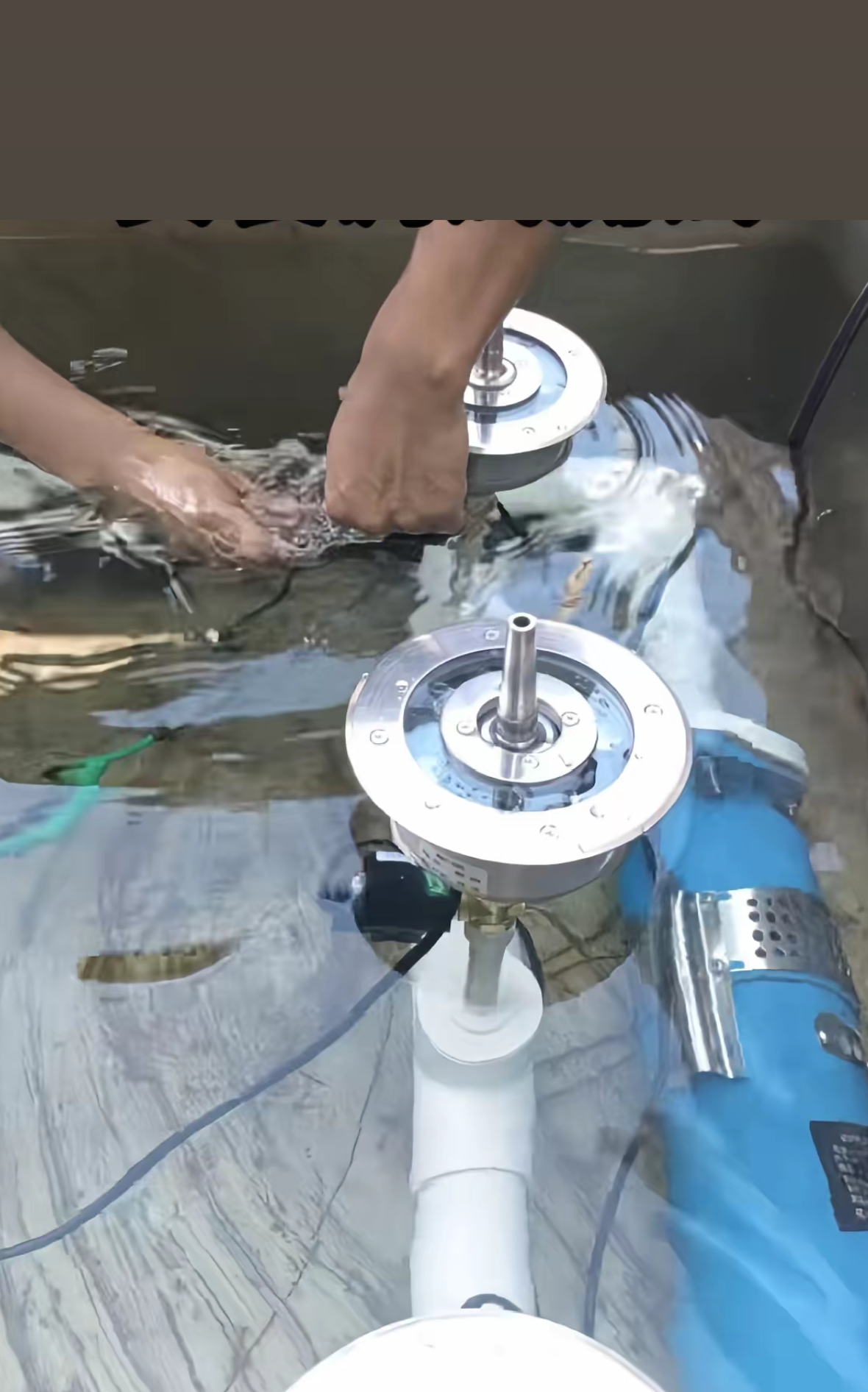
Daily and Weekly Cleaning Routines for Outdoor Water Fountains
Pump and Nozzle Maintenance to Ensure Consistent Flow
A good rule of thumb is checking those pumps at least once a week for stuff getting stuck around the intake screens and impellers. Mineral buildup tends to collect in the nozzles over time, so give them a gentle scrub with a soft brush to keep things flowing properly. Never let the pump run dry either, because running without water will cause it to overheat and eventually fail much sooner than expected. The check valves need attention too, maybe every month or so, otherwise we start seeing problems with water flowing backward through the system. When those rubber seals show signs of wear, they should go right away before any leaks develop that could ruin the whole motor. Some folks in the landscaping business report that regular maintenance work can actually double the life expectancy of their pumping equipment according to stats from landscape professionals across the country.
Debris Removal and Filtration Best Practices for Outdoor Water Fountains
Daily skimming of fountain surfaces helps get rid of leaves, pollen, and other organic stuff before it sinks down and starts breaking down. For catching those tiny particles, basket filters with at least 1mm mesh work pretty well. The filter media needs cleaning every two weeks using reverse flushing methods to keep water flowing properly through the system. When fall comes around or during stormy weather when winds pick up, we need to skim more often and place protective nets where they'll catch most of the floating debris. According to some research from 2023 in the journal Water Environment Research, combining mechanical filtration techniques with regular basin scrubbing once a week cuts down on biofilm problems by about half. That makes sense since keeping everything clean prevents buildup over time.
Water Quality Management to Prevent Mineral Buildup and Stagnation
Monitoring pH, Evaporation, and Refill Strategies
Maintain pH between 6.5 and 7.5—ideal for minimizing scale and corrosion. Weekly evaporation concentrates dissolved minerals by 20–40%, accelerating buildup. To counteract this:
- Refill water every 2–3 days to offset losses
- Use distilled or softened water for top-offs to dilute hardness
- Test pH monthly with affordable test strips
Partial water replacement (30–50%) weekly is more effective than full drains at reducing mineral saturation and preserving beneficial microbial balance.
Vinegar vs. Enzyme Cleaners: Safe, Effective Solutions for Mineral-Resistant Surfaces
White vinegar works great for getting rid of scale buildup. The 5% acetic acid in it can dissolve those pesky calcium deposits in about 15 to 30 minutes without harming stone or metal surfaces around fountains. Enzyme based cleaners take a different approach though. They start working before problems even form by breaking down organic stuff that would otherwise stick to minerals. People who use these enzyme products every other week report needing to clean their water features roughly half as often. These options are much safer than traditional chlorine or acid treatments which can damage fountain finishes and harm plants or fish living nearby in garden ponds or decorative water displays.
| Solution Type | Best For | Application Frequency | Surface Safety |
|---|---|---|---|
| Vinegar | Immediate scale removal | As needed | Safe on stone/metal |
| Enzyme Cleaners | Ongoing prevention | Bi-weekly | Non-corrosive |
Algae and Biofilm Control for Outdoor Water Fountains
UV Sterilization, Shade Adjustment, and Circulation Optimization
UV light works by messing with the DNA of microorganisms, which can slash algae blooms by around 90% according to research published in hydrodynamic journals and referenced by the Water Quality Association. Putting shade structures strategically matters too. When pools are shaded under pergolas or near deciduous trees, sunlight gets blocked about 40 to 70 percent of the time, which really slows down plant growth since they need sun to photosynthesize. Water movement is just as important though. The goal should be getting all the water through the system at least once every two hours so there aren't any dead spots where biofilms love to grow. Recent tests from 2024 showed that keeping things flowing consistently cuts down on surface biofilm buildup by roughly 85% compared to when systems run sporadically. If problems persist despite these measures, enzyme cleaners can help break down organic matter without damaging pump components like seals or gaskets, making them a good backup option for tough situations.
Pump and Filtration System Inspection and Longevity Tactics
Monthly checks for leaks, rust spots, or strange shaking are essential maintenance steps. Getting these issues caught early can save businesses around 60% in repair bills, as noted in the latest ASHRAE report from 2023. Don't forget to grease those bearings exactly how the manufacturer recommends. When done right, this simple step extends pump life by roughly 30%. Intake screens and impellers need cleaning about every two weeks too. Most technicians will tell you that stuff getting stuck in there accounts for nearly half of all reported pump breakdowns in the field. Keep an eye on water flow patterns once a quarter. If the output drops by about 15%, that usually means either filters are packed full or something's wearing down inside the pump. Filtration cartridges should be swapped out somewhere between three to six months based on how heavily they're used and what kind of water quality exists locally. Also important are seasonal tests for seals to stop water from sneaking into electrical components. All these regular maintenance routines combined typically cut down yearly running costs by around 22%, plus they help keep fountains working smoothly without unexpected shutdowns.
Seasonal Maintenance Planning for Year-Round Outdoor Water Fountain Performance
Adapt your routine to seasonal shifts in temperature and precipitation to protect equipment and maintain aesthetics year-round.
Spring Startup and Summer Evaporation Mitigation
- Reactivation Protocol: After winter dormancy, inspect pumps for debris, verify electrical connections, and refill basins with fresh, pH-balanced water.
- Evaporation Countermeasures: In summer, monitor water levels twice weekly. Adding partial shade cuts evaporation by 30%, while low-dose, EPA-registered algae inhibitors help preserve clarity during intense sunlight.
Fall Winterization and Freeze Protection for Outdoor Water Fountains
- Pre-Freeze Preparation: Drain all plumbing before the first frost. Remove pumps and store them indoors in a dry, temperature-stable location. Cover basins with fitted, breathable covers to block falling leaves and debris.
- Ice Damage Prevention: In freezing climates, use fountain-safe antifreeze (non-toxic propylene glycol, ~$7/gal) in closed-loop lines—or install submersible heaters rated at 50W minimum—to prevent ice-induced cracking in basins and plumbing.
FAQ
How often should pumps and nozzles be maintained?
Pumps should be checked weekly, and nozzles should be cleaned regularly to prevent mineral buildup.
What is the best way to manage debris in fountains?
Daily skimming and the use of basket filters are recommended to manage debris effectively.
How can I prevent mineral buildup and stagnation?
Maintaining optimal pH levels, regular water refills, and using distilled water can help prevent mineral buildup.
What are some effective solutions for controlling algae and biofilm?
UV sterilization, strategic shading, and consistent water circulation are effective methods.
Table of Contents
- Daily and Weekly Cleaning Routines for Outdoor Water Fountains
- Water Quality Management to Prevent Mineral Buildup and Stagnation
- Algae and Biofilm Control for Outdoor Water Fountains
- Pump and Filtration System Inspection and Longevity Tactics
- Seasonal Maintenance Planning for Year-Round Outdoor Water Fountain Performance
- FAQ