
 EN
EN



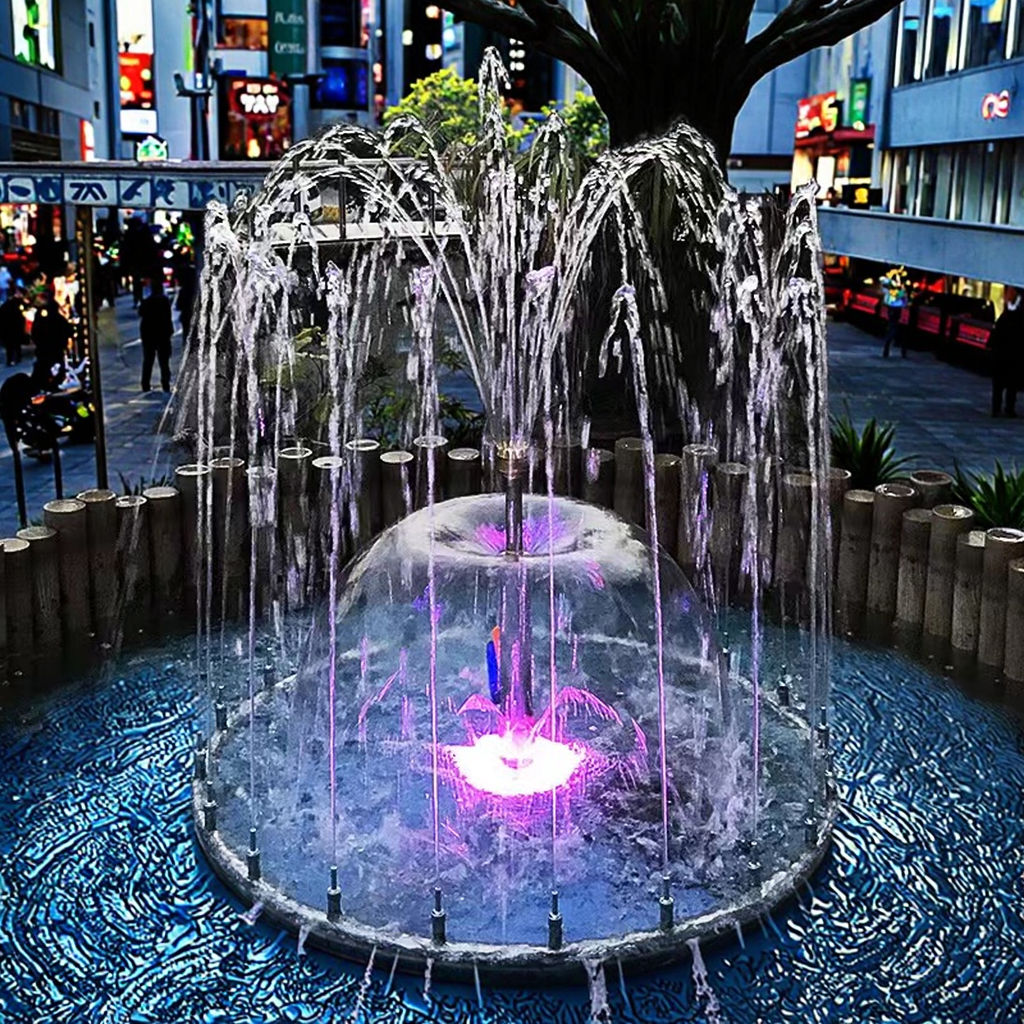
소형 공간용 실외 워터 파운틴 설치 시 크기 및 비례 조화
규모가 중요한 이유: 좁은 베란다에서 시각적 압도감 피하기
맞는 크기의 분수대를 선택하는 것은 마당을 복잡하고 좁아 보이게 하지 않고, 개방적이고 따뜻한 분위기로 느껴지게 하려면 매우 중요합니다. 큰 분수대는 공간을 지나치게 차지하며, 작은 공간에서는 오히려 어수선해 보입니다. 2023년 폰에몬 연구소(Ponemon Institute)의 일부 조사에 따르면, 응답자 중 거의 70%에 달하는 주택 소유주들이 자신의 작은 뒷마당을 잡아먹은 거대한 분수대를 구매한 것을 후회했다고 합니다. 그렇다면 일반적인 기준은 무엇일까요? 100제곱피트(약 9.3제곱미터) 미만의 베란다나 마당의 경우, 최대 지름 약 3피트(약 0.9미터) 규모의 분수대를 선택하는 것이 좋습니다. 태양광으로 작동하는 분수대는 어디든 설치할 수 있어 매력적으로 들지만, 단점은 하루 종일 직사광선을 충분히 받아야 제대로 작동한다는 점입니다. 그렇지 않으면 예기치 않게 작동이 멈출 수 있습니다.
성공을 위한 측정: 핵심 치수, 여유 공간 영역 및 분수대 받침대 바닥 면적
원활한 설치를 위해 다음 단계를 따르세요:
- 여유 공간 영역을 도면으로 표시하세요 분수대의 수조 바닥 면적(물이 담기는 기저부 영역) 주변에 최소 45–60cm의 여유 공간을 확보하여 청소 및 정비 시 안전한 접근이 가능하도록 하십시오.
- 상부 공간 점검 나무 가지나 구조물 등이 물의 흐름이나 미스트 분사에 간섭하지 않는지 확인하십시오.
-
하중 한계 확인 대부분의 주거용 베란다 바닥은 0.09㎡당 22.7–34.0kg을 지탱할 수 있습니다. 분수대의 중량 분포가 설치 표면의 하중 용량과 일치하는지 반드시 확인하십시오.
조경 설계의 모범 사례에 따르면, 물놀이 시설은 전체 베란다 면적의 10%를 초과하지 않도록 배치하여 공간적 균형과 실용적인 개방감을 유지하는 것이 좋습니다.
협소한 공간 내 야외 분수 유닛의 전략적 배치
최대 시각적 임팩트와 안정적인 소리 분산을 위한 최적 위치
야외 워터 파운틴을 설치할 때는 주요 착석 공간과 해당 구역으로 진입할 때 사람들이 쉽게 볼 수 있는 위치에 설치하세요. 파운틴을 모서리에 배치하면 공간을 절약하면서도 정원에 시각적인 깊이를 더해 줍니다. 베란다가 작다면, 파운틴을 정중앙에 두는 것이 중심 장식물로서 가장 효과적입니다. 좋은 음향 효과를 얻으려면 파운틴을 벽이나 낮은 옹벽 근처에 배치하여 물소리가 부드럽게 반사되도록 하되, 지나치게 시끄럽지 않게 해야 합니다. 전원 공급원은 최대 3~4피트 이내에 위치시켜 불필요한 연장 케이블로 인한 실족 위험을 방지하세요. 또한 바람에도 주의해야 하는데, 강한 돌풍은 물의 흐름을 방해하고, 2023년 워터 컨서베이션 인스티튜트(Water Conservation Institute) 연구에 따르면 물 소실 속도를 약 30% 더 빠르게 만들 수 있습니다.
피해야 할 일반적인 배치 오류(예: 동선 또는 조망 확보 방해)
다음과 같은 흔한 실수는 피하세요:
- 처음부터 뻗어나온 나무 아래에 분수를 설치하는 경우—떨어진 낙엽과 잔해가 펌프를 막아 유지보수 빈도를 2~3배 증가시킵니다.
- 보행로나 착석 구역을 과도하게 점유하여 안전한 이동을 위한 여유 공간을 18인치(약 45.7cm) 미만으로 남기는 경우.
- 하루 종일 햇빛이 비치는 위치에 설치하는 경우—조류 성장을 가속화시키고 수온을 상승시킵니다.
- 물튀김 반경을 고려하지 않는 경우—벽이나 인접한 표면으로부터 최소 12인치(약 30.5cm) 떨어진 곳에 설치하여 습기 손상 및 염분 분출 현상(에플로레선스)을 방지해야 합니다.
매우 제한된 공간에서는 벽걸이형 또는 계단식 디자인이 바닥 공간을 절약하면서도 개방적인 시야와 원활한 동선을 확보합니다.
소규모 실외 분수 설치 공간에서 매력과 평온함을 극대화하는 디자인 스타일
현대적·미니멀리스트 분수: 공간 활용 효율이 높은 세련된 미학
오늘날의 미니멀리스트 분수 디자인은 단순한 형태, 날카로운 각도, 그리고 스테인리스 스틸 마감, 매트 블랙 콘크리트 받침대, 매끄럽고 광택 있는 돌과 같이 주목을 끄는 것을 피하는 소재에 초점을 맞추고 있습니다. 이러한 소형 분수 시설은 일반적으로 최대 약 24인치(약 61cm) 크기로, 수평으로 퍼지는 대신 수직으로 서 있는 형태입니다. 이는 제곱인치 하나하나가 소중한 작은 실외 공간, 특히 면적이 100제곱피트(약 9.3㎡) 미만인 베란다나 파티오에 매우 적합한 선택지가 됩니다. 벽면 설치형 분수는 거의 공간을 차지하지 않으며, 벽면 공간 약 18~24인치(약 45~61cm)만 필요하므로 좁은 발코니의 어색한 모서리나 협소한 정문 입구에도 자연스럽게 자리 잡을 수 있습니다. 2024년 현재 정원 디자인에서 인기를 끌고 있는 트렌드를 살펴보면, 요란한 물튀김이 아니라 부드럽게 흐르는 물을 내는 금속 분수가 큰 인기를 끌고 있습니다. 이러한 분수가 내는 소리는 감각을 과도하게 자극하지 않으면서도 안정감을 주는 편안한 음향을 제공합니다. 또한 자체 내장형 물 순환 시스템을 갖추고 있어 물튀김이 훨씬 줄어들어, 공간이 제한된 상황에서도 보다 안전한 환경을 조성하고 청소 빈도도 낮출 수 있습니다.
선(禪)에서 영감을 받은 소박한 스타일: 아늑한 규모와 자연의 평온함이 만납니다
젠 디자인에서 영감을 받은 분수는 일반적으로 대나무 분수대, 매끄러운 강돌, 그리고 얕은 물받이를 사용하여 평화롭고 소박한 분위기를 자아냅니다. 물소리는 50데시벨 이하로 조용하게 흐르기 때문에 명상 공간이나 방해받지 않고 책을 읽고 싶은 장소에 안성맞춤입니다. 소박한 디자인의 분수는 오래된 돌, 다른 프로젝트에서 재활용한 목재, 또는 독특한 질감의 도자기를 사용하기도 합니다. 이러한 분수는 화분 정원이나 주변에서 자연적으로 자라는 식물과 잘 어울립니다. 대부분의 분수는 크기가 크지 않아 폭이 약 60cm(24인치) 정도입니다. 물받이 아래에 숨겨진 소형 펌프가 함께 제공됩니다. 돌 표면은 주변 소음을 흡수하고 시간이 지남에 따라 이끼가 천천히 자라도록 하여 작은 야외 공간에서도 더욱 고요한 분위기를 만들어줍니다.
야외 분수 시설의 음향, 수류 및 감각적 체험
야외 워터 파운틴은 가장 작은 베란다 공간조차도 완전히 새롭게 바꿔놓을 수 있으며, 이를 훨씬 더 평온하고 따뜻한 분위기로 탈바꿈시켜 줍니다. 물의 흐름 방식은 주변에서 들리는 소리에 큰 영향을 미칩니다. 계단식 낙수대에서 흘러내리는 가늘고 부드러운 물줄기는 사람들이 휴식을 취할 때 즐겨 찾는 안정감 있는 배경 음향을 만들어냅니다. 여러 단계나 층이 포함된 구조에서는 물이 동시에 다양한 소리를 내는데, 이는 마치 도시의 소음을 덮쳐주는 음악의 레이어처럼 작용합니다. 소규모 공간에는 라미나르 흐름(Laminar flow) 시스템이 특히 효과적입니다. 이 시스템은 과도한 물튀김 없이 조용하게 물을 이동시킵니다. 에어레이티드(Aerated) 기능을 갖춘 디자인은 시각적으로도 인상 깊으면서도 주변 사람들을 방해하지 않을 만큼 적절한 소음 수준을 유지합니다. 조명 역시 중요한 역할을 합니다. 물결치는 표면에 반사되는 햇빛은 표면 위를 끊임없이 움직이는 아름다운 무늬를 만들어내며, 이는 평온함을 한층 더 강화시켜 줍니다. 파운틴 바닥에 LED 조명을 설치하면 일몰 후에도 이러한 평화로운 분위기를 오랫동안 연장할 수 있습니다. 움직이는 물, 부드러운 소리, 그리고 아름다운 반사광을 조화롭게 결합함으로써 평범한 워터 인스톨레이션이 단순한 시설물을 넘어, 사람들이 문밖에서 바로 긴장을 풀고 진정한 평화를 찾을 수 있는 특별한 공간으로 탈바꿈하게 됩니다.
자주 묻는 질문
작은 공간에서 분수의 크기가 중요한 이유는 무엇인가요?
작은 공간에서는 분수의 크기가 매우 중요하여, 공간을 답답하거나 압도적으로 느끼지 않도록 해야 합니다. 적절한 크기의 분수를 선택하면 베란다나 정원이 열려 있고 환영하는 분위기를 유지할 수 있습니다.
분수 주변에 얼마나 넓은 여유 공간을 확보해야 하나요?
청소 및 유지보수를 위한 안전한 접근을 보장하기 위해, 분수 받침대 주변에 18~24인치(약 45~61cm)의 여유 공간을 확보하는 것이 권장됩니다.
현대적 미니멀리즘 스타일 분수의 장점은 무엇인가요?
현대적 미니멀리즘 스타일 분수는 세련된 외관과 낮은 공간 점유율을 특징으로 하여, 작은 실외 공간에 매우 적합합니다. 일반적으로 단순한 형태와 소재로 제작되어 시각적 매력과 관리 용이성을 동시에 제공합니다.
실외에 분수를 설치할 때 피해야 할 흔한 실수는 무엇인가요?
분수대를 나무 아래에 설치하거나 보도를 막는 방식으로 배치하거나 하루 종일 햇빛이 비치는 곳에 위치시키는 것을 피하세요. 이러한 실수는 유지보수 증가, 이동 제약, 온도 관련 문제를 유발할 수 있습니다.
야외 분수대는 소규모 공간을 어떻게 개선하나요?
야외 분수대는 물소리와 흐름을 통해 안정감 있고 매력적인 분위기를 조성함으로써 소규모 공간을 개선합니다. 이를 통해 일반적인 공간을 고요한 휴식처로 탈바꿈시킬 수 있습니다.