
 EN
EN



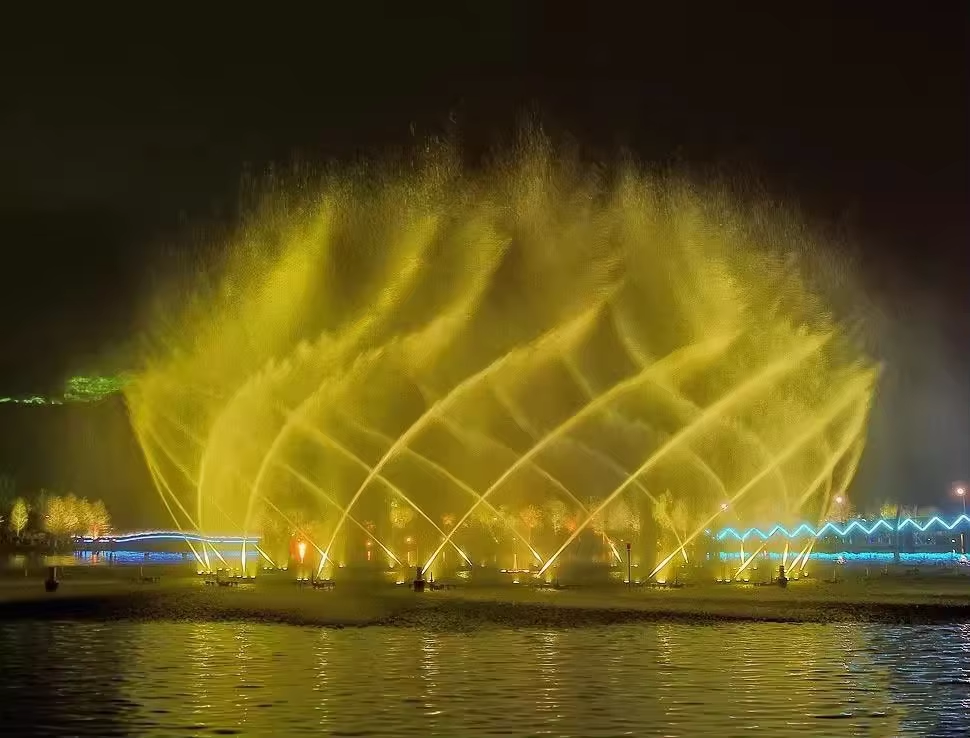
Kung Paano Nakakamit ng Mga Sistema ng Musical Fountain ang Real-Time na Pagsusunod-sunod
Pagsasaproseso ng audio signal at mabilis na aktuasyon (<15ms) para sa malinaw na pagkakaugnay
Ang pagkuha sa mga palabas ng tubig na ito para sumabay nang perpekto sa musika ay nagsisimula sa pagsusuri ng audio nang real time. Ang espesyal na software ang humuhuli sa mga ritmo at pagbabago ng lakas mula sa musika. Ano ang susunod? Nandiyan ang lahat ng impormasyong ito upang sabihin sa tubig kailan ito kailangang gumalaw, upang eksaktong tumama sa pinakamalakas na bahagi ng musika. Ang matalinong matematika ang nagtatantiya kung saan dapat pumunta ang bawat talon ng tubig sa loob lamang ng bahagdan ng isang segundo bago pa man natin marinig ang tunog. Kailangan din nating panatilihing napakabilis ng lahat ng pangyayari. Ayon sa pananaliksik, anumang bagay na mas mabagal kaysa 15 milliseconds ay napapansin ng tao bilang hindi tugma. Kaya't ginagamit ng mga inhinyero ang mga sopistikadong solenoid valve na kontrolado ng mga pulso na nakakarehilo nang mas mabilis kaysa 10 milliseconds. Tinutuyak din nila ang kuryente papunta sa mga bomba sa loob mismo ng isang siklo ng alternating current. Kapag ang lahat ng mga bahaging ito ay nagtulungan, nakikita ng mga manonood ang tubig na sumisirit sa himpapawid nang eksaktong parehong oras na maririnig ang musika, lumilikha ng kamangha-manghang epekto kung saan parang ang tubig mismo ang gumagawa ng mga tunog.
Naisa-isang mga protokol sa kontrol: DMX512, Art-Net, at orkestrasyon batay sa timecode
Ang mga modernong sistema ngayon ay lubhang umaasa sa mga karaniwang protocol sa kontrol upang mapanatili ang pagsubaybay sa lahat ng mga aparato na kumalat sa kabuuan ng malalaking instalasyon. Kumuha halimbawa ang DMX512, ito pa rin ang nangunguna sa pagkontrol sa mga ilaw. Ito ay naglalaan ng tiyak na mga parameter tulad ng mga kulay at mga oras ng strobe gamit ang mga indibidwal na channel sa buong setup. Habang umunlad ang teknolohiya, lumitaw ang Art-Net na mas higit pa dahil ito ay nagpapadala ng mga signal sa pamamagitan ng mga Ethernet network. Ang kakaiba rito ay ang mataas na katumpakan nito sa pagbabahagi ng timecode sa buong network na may pagkakaiba lamang na plus o minus 50 microseconds. Sa mga palabas na nangangailangan ng eksaktong pagkakasinkron, ang iba't ibang bahagi ng sistema ay nakasinkronisa sa alinman sa SMPTE o LTC signal bilang pangunahing reperensya. Sinisiguro nito na mananatiling perpektong nakaayon ang lahat—mula sa epekto ng tubig, pagbabago ng ilaw, hanggang sa paggalaw ng tunog sa espasyo. Dahil sa arkitekturang ito, ang mga malikhaing isip ay nakakagawa ng kumplikadong mga sekwensya gamit ang mga software tulad ng QLab. Maaari nilang i-trigger ang malalaking palabas ng tubig na umaabot hanggang 120 metro ang taas, radikal na pagbabago ng kulay sa buong entablado, at kahit pa ang manipulasyon kung saan tila nagmumula ang tunog sa panahon ng musikal na klimaks dahil sa integrasyon ng MIDI sa iba't ibang kagamitan.
Ang Arkitekturang Kumakapit sa Kalooban ng Isang Musical Fountain
Pang-modal na integrasyon ng pandama: kung paano pinapalakas ng galaw ng tubig, kulay ng ilaw, at dalas ng tunog ang epekto sa emosyon
Ang mga musical na fountain ay may malakas na epekto sa emosyon dahil pinagsasama nila ang visual, tunog, at galaw sa paraan na nakakaakit sa utak. Kapag sumirit ang tubig nang mabilis (humigit-kumulang 20 metro bawat segundo o higit pa) kasabay ng matulis at mataas na tono na mahigit sa 2 kHz at masilaw na puting ilaw, ang mga tao ay karaniwang naging mas hindi stressed, kung saan bumababa ang cortisol ng humigit-kumulang 15 hanggang 30 porsyento ayon sa pag-aaral noong nakaraang taon ng Neuroaesthetics Institute. Kaya nga madalas kumalma at mag-enerhiya ang mga tao matapos makita ang ganitong palabas. Sa kabilang banda, kapag dahan-dahang gumagalaw ang tubig sa anyo ng alon, kasama ang malalim na bass na wala pang 100 Hz at mainit na kulay-amber na ilaw, talagang tumataas ang alpha brainwaves, na nakakatulong sa tao na magpahinga at mag-relax. Ang lihim dito ay kung paano natural na nag-uugnay ang ating isip sa ilang sensasyon. Instinktibong iniuugnay natin ang mataas na tono sa paggalaw pataas at ang mainit na kulay sa mas mababang vibration. Ginagamit ng mga tagadisenyo ng fountain ito sa pamamagitan ng pagsusunod ng pagbabago sa pressure ng tubig (mula sa mahinang rippling hanggang sa mataas na pagsirit) kasabay ng maingat na pag-timing ng ilaw at musika sa iba't ibang frequency. Ang resulta ay mga karanasang nakapapasok hindi lang sa paningin kundi sa mas malalim na bahagi ng ating sarili, na kinakalabit ang mga bahagi ng utak na responsable sa emosyon bago pa man natin mapagtanto kung ano ang nangyayari.
Pag-aaral ng kaso: Dubai Fountain — sukat, pagkakasunud-sunod sa pag-awit, at mga sukatan ng pakikilahok ng publiko
Ang Dubai Fountain, ang pinakamalaking nakaayos na sistema sa buong mundo, ay isang halimbawa ng malalim na inhinyeriya sa malaking saklaw. Habang umaabot ito sa 273 metro, ang basin nito ay may 6,600 superflux LED, 25 color projector, at 83 water cannon—lahat ay naka-sync gamit ang Art-Net. Ang mga sukatan ng pagganap ay nagpapakita ng napakataas na katumpakan at epekto:
| Salik sa Pagganap | Teknikal na Espesipikasyon | Sukat ng Epekto |
|---|---|---|
| Katumpakan ng oras | —5ms tugon mula sa tunog patungo sa tubig | 94% na pagtatama ng audience sa pag-sync |
| Kumplikadong pag-awit | 1,024 natatanging hugis ng tubig | 6.3/7 na resonansya sa emosyon |
| Sukat ng operasyon | 22,000 gal/min na ikinikilos muli | 3.7M bisita taun-taon |
Sa panahon ng mga pagtatanghal ng Arabic maqam, 72% ng mga manonood ang nagsasabi na nakakaranas sila ng isang "awe-state," na nagpapakita kung paano isinasalin ng hydraulic precision sa cultural resonance. Dahil sa average dwell time na 47 minuto—triplo ng baseline para sa mga pampublikong instalasyon—nagawa ng fountain na patunayan ang walang kapantay nitong kakayahan sa placemaking sa pamamagitan ng aquatic symphonics.
Mga Pangunahing Bahagi ng Inhenyeriya ng Musical Fountain
High-dynamic-range nozzles at variable-frequency pumps (0.5—150m height modulation)
Ang puso ng isang musical fountain ay nasa mga precision nozzle at variable frequency pump. Ang mga bahaging ito ay nagtutulungan upang lumikha ng mga kamangha-manghang water display na ating nakikita. Ang mga solenoid valve ang namamahala sa daloy ng tubig hanggang sa antas ng millisecond, habang ang mga pump naman ay nag-a-adjust ng pressure upang ang mga water jet ay sumirit mula kalahating metro hanggang mahigit 150 metro ang taas. Ang nagpapabukod-tangi sa mga fountain na ito ay ang pagkakasinkron nito sa mood ng musika. Isipin mo: maikli at matitinding burst kapag may percussion, at mahahabang daloy na galaw sa panahon ng malalaking orchestral na bahagi. Ang mga bagong modelo ay mayroon ding malaking pagbabago. Ayon sa Water Technology Report 2023, mas maliit ang konsumo ng enerhiya nito ng mga 40 porsiyento kumpara sa mga lumang sistema. Ibig sabihin, ang mga kumplikadong performance ay posible pa rin habang nagiging mas mapagmalasakit sa kalikasan.
Acoustic design: paglalagay ng submerged vs. directional speaker para sa optimal na SPL (85—112 dB) at intelligibility
Ang pagkuha ng maayos na tunog mula sa mga lugar na may tubig ay nangangahulugan ng maingat na pag-iisip kung saan ilalagay ang mga speaker upang mapigilan ang ingay ng likuran dulot ng tubig at iba pang mga abala. Kapag nalubog ang mga speaker sa ilalim ng tubig, naglalabas sila ng ganap na bilog na karanasan sa tunog na lubos na nakakaakit sa mga tao, bagaman kailangang gawin itong matibay sapat para makatiis sa ganap na pagkakalubog batay sa pamantayan ng IP68. Para sa mga lugar kung saan kailangan ang diretsahang paghahatid ng audio, mahusay ang directional line arrays, na umaabot sa 85 hanggang 112 desibel upang malinaw pa rin marinig ang boses kahit may pagsasalaysay. Ang tamang paglalagay ng lahat ay nakakatulong upang maiwasan ang hindi kanais-nais na pagkawala ng mga alon ng tunog dahil sa pagkakasalungatan, at tinitiyak din nito na sinusunod ang ANSI S12.60 na alituntunin para sa akustika. Ang ilang bagong teknolohikal na pag-unlad, tulad ng mga espesyal na hydrodynamic baffles, ay talagang binabawasan ng halos isang ikatlo ang distortion na dulot ng pag-splash ng tubig, na nagpapanatili sa musika na malinaw at kasiya-siya para sa lahat ng nakikinig.
Disenyo ng Pag-iilaw bilang Isang Mapagpahayag na Layer sa Choreograpiya ng Musical Fountain
Kapag sayaw ang mga talon sa tugtog, nabubuhay ang kanilang kuwento dahil sa ilaw na gumaganap parang tahimik na konduktor. Napapalitan ang tubig sa isang mahiwagang bagay kapag tama ang kulay—ang asul-lila ay bulong ng kalungkutan, ang masiglang puti ay tugma sa matinding pagtaas ng musika, at ang mabilis na kisap ay sumasabay sa ritmo—lahat ay posible dahil sa napakalinaw na mga LED light. Ang mga ilaw na nakalagay sa ilalim at paligid ng batis ay nagdaragdag ng lalim sa buong palabas. Ang mga sinag na pataas ay nagpapatingkad sa anyo ng tubig, habang ang mga ilaw sa ilalim ng tubig ay naglalabas ng kamangha-manghang ningning na tila hindi makamundo. Habang tumutugtog ang musika, ang mga naka-iskedyul na ilaw ay ginagawang tunay na biswal na musika ang daloy ng tubig—mga magaan na dilaw na arko sa mahinang bahagi ng biyolin, biglang pagsabog ng kulay kapag kumakalog ang tambol. Mas maalaala rin ng mga tao ang ganitong karanasan—ayon sa isang pag-aaral noong 2022 mula sa Journal of Environmental Psychology, mas mataas ng halos 40% ang detalye na naaalala kapag ang visual ay sabay sa tunog kumpara lamang sa pakikinig sa musika. Sa likod ng tanghalan, umaasa ang mga tagadisenyo ng talon sa mga espesyal na sistema tulad ng DMX512 kasama ang software sa pagmamapa upang kontrolin ang libo-libo o kahit maraming ilaw nang sabay. Binibigyan sila ng mga kasangkapan na ito na tugunan ang bawat nota sa real time, gumagawa ng pagbabago habang gumagana upang manatiling bago at kapanapanabik ang bawat palabas gabi-gabi.
Mga Lumilitaw na Mga Tren: AI, Sustainability, at Ang Kinabukasan ng Musikal na Pag-iimbento ng Fountain
AI-generated choreography: LSTM na mga modelo na sinanay sa mga partikular na motif ng audio
Sa mga araw na ito, ang mga neural network ng LSTM ay nagiging mahusay sa pagbabasa ng mga waveform ng audio at paglikha ng mga pagkilos sa sayaw sa pag-iipon. Pagkatapos sanayin sa iba't ibang uri ng musika - isipin ang klasikal na musika na nagtatayo hanggang sa malalaking crescendo na gumagawa ng malawak na pagkilos ng mga mananayaw, o mga electronic beat na nagpapalipat sa mga tao sa mabilis, matinding pag-iipon - ang mga sistemang ito ay maaaring mag-synchronize ng mga Ang tunay na cool na bahagi? Ang mga sensor na naka-imbak sa setup ay nagpapahintulot sa AI na panoorin kung paano tumugon ang mga madla sa panahon ng mga palabas. Nangangahulugan ito na ang mga koreograpo ay gumugugol ng mas kaunting oras sa pagprograma ng lahat nang manu-manong, marahil 70% na mas mababa ayon sa ilang mga pagsubok. At ano ang nilikha nito? Ipinapakita nito ang pagbabago sa real time, puno ng mga sorpresa na kahit na ang mga may karanasan na mang-aawit ay maaaring maghirap mag- pull out nang walang tulong ng tech.
Green engineering: pagsasama ng enerhiya ng araw at closed-loop na pag-recycle ng tubig (92% na kahusayan na nakamit)
Ang pag-iisip na may kalinang-laman ay naging isang mahalagang elemento sa pagdidisenyo ng mga burong-daloy sa ngayon. Maraming modernong mga pasilidad ang may mga solar pump at filter na nagpapahintulot sa mga tao na mabawasan ang kanilang pag-asa sa regular na kuryente ng halos 40%. Ang mga closed loop system ay maaaring makaabot ng kahanga-hangang mga rate ng pag-recycle ng humigit-kumulang 92% ng kahusayan, tulad ng nakikita natin sa sikat na setup ng Marina Bay sa Singapore kung saan pinagsasama nila ang mga biofilter sa mga paggamot ng UV upang mabawasan ang dami ng sariwang tubig na ginagamit. Isa pang matalinong hakbang ay ang mga pump na may variable speed na nag-aayos ng kanilang output batay sa antas ng ingay, na makabawas nang malaki sa pag-aaksaya ng tubig. Ang malalaking bukal ay nakapag-iwas ng halos 1.2 milyong litro bawat taon dahil sa teknolohiyang ito. Ang lahat ng mga pagpapabuti na ito ay hindi lamang nangangahulugan ng mga check box para sa mga internasyonal na regulasyon sa pag-iingat ng tubig kundi nangangahulugan din ng mas mababang mga bayarin para sa mga operator at isang mas maliit na imahe sa ating planeta sa pangkalahatan.
Madalas Itanong
Bakit ang mga bukal na may musika ay perpektong tumutugma sa musika?
Ang mga fountain ng musika ay nakakamit ng perpektong pag-synchronize sa pamamagitan ng paggamit ng espisyal na software upang masira ang audio sa mga pag-atake at pagbabago ng lakas ng tunog. Pinapayagan nito ang mga sistema na ilipat ang tubig nang tumpak sa panahon ng pinakamalakas na mga punto sa musika, gamit ang mga solenoid valve at mabilis na sistema ng kontrol.
Paano nakakaapekto ang mga umuusbong na teknolohiya tulad ng AI sa choreography ng musikal na fontanel?
Ang mga teknolohiya ng AI, lalo na ang mga neural network ng LSTM, ay nagpapabuti sa koreograpiya ng mga fountain ng musika sa pamamagitan ng paghula ng mga paggalaw batay sa mga signal ng audio. Pinapayagan ng mga teknolohiyang ito ang mga pagbabago sa real-time at binabawasan ang manuwal na programming, pinahusay ang kagalingan ng pagganap at mga elemento ng sorpresa.
Anong mga hakbang sa pagpapanatili ang ipinatutupad sa mga modernong bukal ng musika?
Ang mga modernong musikal na bukal ay naglalaman ng mga panukalang pang-sustainansi, gaya ng pagsasama ng solar power at closed-loop na pag-recycle ng tubig, upang mabawasan ang pag-asa sa kuryente at makatipid ng tubig. Nakakamit ng mga sistemang ito ang mga kahusayan na hanggang sa 92%, na nakaayon sa pandaigdigang mga layunin sa pag-iingat ng tubig.
Talaan ng Nilalaman
- Kung Paano Nakakamit ng Mga Sistema ng Musical Fountain ang Real-Time na Pagsusunod-sunod
- Ang Arkitekturang Kumakapit sa Kalooban ng Isang Musical Fountain
- Mga Pangunahing Bahagi ng Inhenyeriya ng Musical Fountain
- Disenyo ng Pag-iilaw bilang Isang Mapagpahayag na Layer sa Choreograpiya ng Musical Fountain
- Mga Lumilitaw na Mga Tren: AI, Sustainability, at Ang Kinabukasan ng Musikal na Pag-iimbento ng Fountain
- Madalas Itanong