
 EN
EN



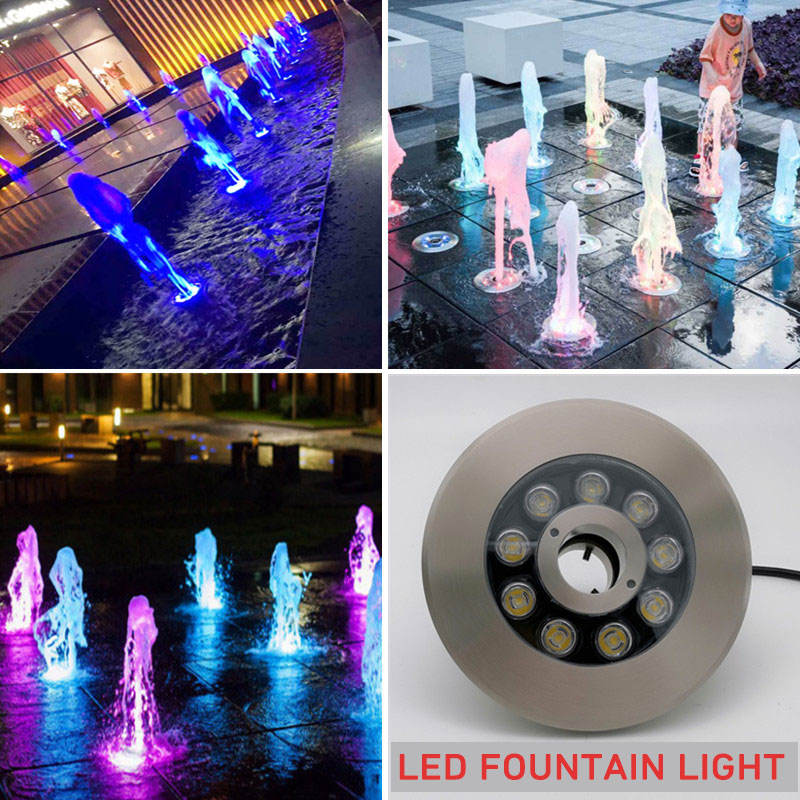
How Waterproof Ratings Ensure Safe Submersible Lighting in Ponds
Understanding IP68 Rating and Its Importance for Fountain Lights Waterproof Performance
When it comes to waterproof fountain lights meant for ponds, getting proper certification is really important. IP68 is basically what everyone looks for these days as the top rating. Lights with this certification can handle being submerged well over a meter deep without letting water in, plus they keep out all dust particles too. That matters a lot for ponds where lights need to stay working through winter ice and summer heat. Most big name brands put their products through at least 30 hours of intense water pressure tests to prove they meet those specs. These tests follow guidelines from something called IEC 60529, which sets the global benchmark for how waterproof things should be.
Key advantages of IP68-rated systems:
- 98% reduction in electrical faults compared to IP67-rated alternatives (Underwriters Laboratories 2024)
- Corrosion-resistant housings that maintain waterproof integrity for 50,000+ operating hours
- Compatibility with deeper pond zones (up to 3 meters) for layered lighting designs
Low-Voltage vs. Line-Voltage: Why 12V/24V Lights Improve Safety in Water Features
Modern pond lighting prioritizes low-voltage systems due to their inherent safety advantages:
| Feature | 12V/24V Systems | 120V Line-Voltage |
|---|---|---|
| Shock Risk | Non-lethal | Potentially fatal |
| Wiring Depth | No conduit required | 18" burial mandate |
| GFCI Compatibility | Optional | Required by NEC 680 |
The 15VA maximum output limitation on low-voltage transformers creates inherent current protection, reducing fire risks by 83% according to National Fire Protection Association data. Combined with third-party validated waterproofing standards, 12V systems enable safer DIY installations compared to high-voltage alternatives.
Real-World Reliability of Submersible LED Lights in Residential Pond Installations
Field data from 1,200 residential ponds shows IP68-rated LED fixtures achieve 98.6% reliability over 5-year deployments when properly installed—far surpassing IP67 (89.2%) and IP66 (72.4%) alternatives (Pond Safety Institute 2023). Critical durability factors include:
- Marine-grade stainless steel mounting hardware
- Hybrid silicone/acrylic lens composites resisting algae growth
- Continuous thermal management maintaining casing temperatures below 140°F
Professional installers emphasize annual gasket inspections and connector resealing every 36 months to maintain waterproof certifications. When paired with GFCI breakers (required for all pond circuits per NEC 680.22), these protocols reduce electrical hazards to 0.017 incidents per 1,000 installations—a 94% improvement over unregulated setups.
Electrical Safety Protocols: GFCI Protection and Wiring Standards for Pond Lights
The Critical Role of GFCI Outlets in Preventing Electrical Hazards Around Water
GFCI outlets form the foundation for keeping pond lighting systems safe. These devices cut off electricity really fast, like within about 1/40th of a second, whenever they sense even tiny imbalances in current flow around 4 to 6 milliamps. The latest wiring regulations require GFCI protection for any fountain lights installed above 15 volts. For these setups, outlets need to be placed no further than 6 feet away from water features. That's much closer than the usual 20 feet rule for regular circuits. By stopping dangerous electrical flows before someone actually touches them, this tech manages to stop most shocks altogether. Studies suggest it prevents roughly 98% of electric shock cases in places where water and electricity mix.
Best Practices for Installing and Grounding Waterproof Fountain Lights Safely
When professionals install these systems, they typically pair GFCI breakers with low voltage options like 12V or 24V setups because this combination cuts down on electrical problems by around 90% compared to regular line voltage systems. The wiring for all circuits needs to be direct burial grade inside waterproof conduits, ending at marine rated junction boxes placed well above any possible water contact points. Grounding is important too, so most installers use 8 gauge copper rods to get resistance below 1 ohm. Don't forget those annual checks of the GFCI functions either, plus replacing silicone gaskets whenever they start showing wear signs. Transformers should have dual insulation protection, and all outlet covers need to stay locked securely in place with proper weatherproof seals to keep moisture out completely.
Durability and Corrosion Resistance in Pond Lighting Fixtures
Materials That Withstand Pond Environments: Stainless Steel, Brass, and Marine-Grade Plastics
Lighting fixtures installed in ponds are constantly battling water, minerals, and all sorts of microbes growing on them, so picking the right materials really matters if we want these lights to last and stay safe. Most high quality pond lights use stainless steel grades 304 or 316 because they form this protective chromium oxide coating that stops rust from forming even when exposed to brackish water conditions. Brass is another good option since it naturally fights off microorganisms, cutting down algae growth on surfaces by around two thirds compared to regular metal surfaces according to research from the Pond Safety Institute back in 2023. When budget is a concern, many manufacturers turn to marine grade plastics such as polycarbonate blends. These materials hold up well against extreme temperatures ranging from super cold winter nights to hot summer days, plus they don't break down easily under sunlight exposure.
| Material | Key Advantage | Typical Lifespan |
|---|---|---|
| 316 Stainless Steel | Saltwater corrosion resistance | 15–25 years |
| Brass | Microbial resistance | 12–18 years |
| Marine Plastic | Impact resistance | 8–12 years |
Leading manufacturers now combine these materials with double-layered silicone gaskets to maintain IP68 waterproof certification, ensuring fountain lights remain fully submersible without electrical risks.
Maintenance Tips to Preserve IP68 Waterproof Integrity and Extend Fixture Lifespan
No matter how tough the materials are, regular maintenance is still needed when dealing with pond environments. Sealant rings should be checked roughly every three to six months because they tend to lose their shape over time, which actually accounts for about 78% of all water leaks according to the latest 2024 Pond Lighting Durability Report. To clean off those stubborn mineral buildups, mix water and vinegar in a ratio of five parts water to one part vinegar and apply it using a soft brush. Stay away from anything abrasive since these can damage the protective coating on the equipment. Once a year, it's wise to test if the housing remains watertight. Just disconnect the fixture and put it underwater for half an hour looking out for any air bubbles escaping. If there are cracks in the lens cover, get them replaced without delay. When light gets through damaged diffusers, algae starts growing directly on the LED chips, and this can cut down light output by as much as forty percent throughout the seasons.
Environmental Impact: Do Waterproof Fountain Lights Affect Aquatic Life?
Modern waterproof fountain lights prioritize both aesthetics and ecosystem safety when designed and installed correctly. Leading aquatic lighting studies reveal minimal ecological disruption from properly engineered systems, though installation practices and product selection significantly influence outcomes.
Assessing the Safety of Underwater LED Lights for Fish and Plants
Submersible LED fountain lights generate less heat than traditional bulbs, preventing temperature spikes that stress cold-water species. A 2023 aquatic habitat study found no adverse effects on fish behavior or plant growth when using fixtures with:
- Color temperatures ≤ 3000K (warm white)
- Lumen outputs ≤ 500 lm per fixture
- UV-free spectra
Polycarbonate housings and sealed copper-free alloys prevent chemical leaching, addressing historical concerns about metal corrosion in freshwater environments. Research from leading hydroecology institutes confirms that dark-cycle-compliant lighting schedules (4–6 nightly hours) maintain natural algae rhythms while allowing nighttime visibility.
Balancing Aesthetic Appeal with Ecological Responsibility in Pond Lighting
Opt for directional fixtures that minimize light spill into adjacent habitats, as 72% of excessive nighttime lighting gets absorbed by non-target areas according to limnology data. Three strategies reduce ecological footprint without sacrificing visual impact:
- Moonlight Simulation – 1–3 lux blue-white clusters mimic natural conditions
- Edge Lighting – Uplight pond borders instead of full water column illumination
- Smart Controls – Motion sensors/astronomical timers align with local sunset times
Seasonal adjustments prove critical—reduce intensity by 40% during fish spawning periods (spring/early summer) to prevent disorientation in juvenile populations. Regular fixture inspections ensure waterproof seals remain intact, eliminating risks of electrical malfunctions contaminating pond ecosystems.
Frequently Asked Questions (FAQ)
What is the IP68 rating?
The IP68 rating indicates that a device can be submerged in water beyond one meter and is completely dust-tight, making it ideal for underwater use.
Why is low-voltage lighting preferred for ponds?
Low-voltage lighting is safer, reducing risks of electrical shock and fire hazards, and is more suitable for DIY installations with ponds.
Do underwater lights affect fish and plants?
Properly designed underwater lights have minimal impact on aquatic life, with warm color temperatures and UV-free spectra preventing stress on fish and plants.
Table of Contents
- How Waterproof Ratings Ensure Safe Submersible Lighting in Ponds
- Electrical Safety Protocols: GFCI Protection and Wiring Standards for Pond Lights
- Durability and Corrosion Resistance in Pond Lighting Fixtures
- Environmental Impact: Do Waterproof Fountain Lights Affect Aquatic Life?
- Frequently Asked Questions (FAQ)