
 EN
EN



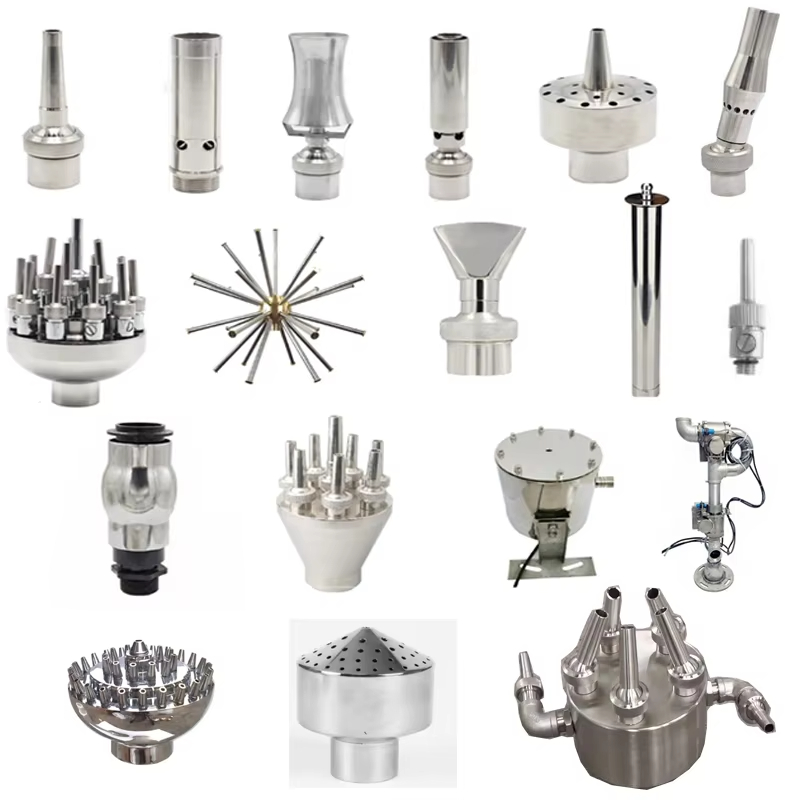
The Aesthetic Impact of Fountain Nozzle Design in Landscapes
How fountain nozzle selection shapes visual appeal and movement
Nozzles on fountains basically shape how water looks, turning plain H2O into beautiful arches, fine mist sprays, and interesting geometric shapes that really make a space stand out. The simple one level jet works great in traditional garden settings where straight lines matter, but when we get to those fancy multi arm setups, they create this amazing water dance effect perfect for contemporary city squares. According to some research published last year in the Water Feature Impact Report, these dynamic water features actually boost people interaction rates by around 60 percent over regular still water displays in public areas. Makes sense too since moving water just draws attention better than stagnant pools ever could.
Integrating stainless steel fountain nozzles into urban plazas and public parks
More urban planners are turning to stainless steel fountain nozzles these days because they handle constant foot traffic without losing their shiny look. Brass and plastic options just don't cut it over time - they tend to get all grimy and start looking pretty bad after a while. Stainless steel stays clean since it doesn't absorb minerals or rust away. Take Barcelona's Plaça de les Glòries as proof. When they redid this plaza, they installed those coordinated nozzle setups across about 8,000 square meters of concrete. Now people come here every day (around 12 thousand visitors!) to see the water display that pulses across the space like some kind of living artwork.
Harmonizing water dynamics with architectural and natural surroundings
Landscape architects with plenty of experience know how to pair different water sprays with their surroundings. Think gentle mist that looks like soft fabric draping over Japanese meditation gardens, or strong straight streams that work well next to classical style buildings. Take a look at Waterloo Park in Toronto where they've installed fog nozzles alongside metal trees. The effect is pretty amazing actually. These installations create little pockets of cooler air, dropping the temperature around them by about four degrees Celsius or roughly eight Fahrenheit on those really hot summer afternoons when everyone needs relief from the heat.
Why Stainless Steel Outperforms Other Materials in Fountain Nozzles
Comparing Durability: Stainless Steel vs. Plastic and Brass Fountain Nozzles
Stainless steel fountain nozzles last much longer than their plastic and brass counterparts. Brass tends to wear down pretty fast in chlorinated water environments, about 1.2 mm per year according to a study by the Materials Performance Institute back in 2023. Stainless steel holds up better because it forms this protective chromium oxide layer over time. Plastic options might seem cheaper upfront but they start warping when exposed to sunlight after just two or three years. Stainless steel doesn't bend out of shape even when temperatures swing between really cold (-20 degrees Celsius) and quite hot (around 120 degrees Celsius). That makes them far more durable for outdoor installations where weather conditions can be unpredictable.
The Science Behind Corrosion Resistance in Outdoor Fountain Nozzles
Stainless steel resists corrosion because it contains at least 10.5% chromium, creating what experts call a self repairing oxide layer on the surface. In salty water environments, stainless steel products are about 95 percent less prone to rust compared to brass according to studies by the National Association of Corrosion Engineers back in 2022. Plastic materials tend to get brittle when temperatures drop below freezing, but stainless steel stays flexible even in cold weather, which helps prevent those tiny cracks from forming. Recent tests conducted in 2023 showed that fountain nozzles made from stainless steel kept nearly all their weight intact after being exposed to salt spray for over 5,000 hours. This kind of durability explains why many outdoor fixtures still look good after years of exposure to harsh weather conditions.
Case Study: 10-Year Performance of Stainless Steel Fountain Nozzles in Coastal Climates
A recent look at fountain nozzles in coastal towns found something interesting. After ten years on the job, stainless steel models were still working at around 92% efficiency. Brass ones only managed about half that at 57%, while plastic versions barely held up at 31%. The savings really start to add up too. Municipal workers reported cutting maintenance expenses by almost two thirds because these stainless steel nozzles don't get clogged as easily and don't need replacing every season like older models did. Other research backs this up showing that going stainless can cut overall spending by roughly 40% when looking at what these things cost to own and maintain over fifteen years rather than just buying them new.
Design Flexibility and Application Range of Stainless Steel Fountain Nozzles
Achieving Dynamic Water Effects with Multi-Jet Fountain Nozzle Configurations
Stainless steel fountain nozzles these days let landscape architects get pretty creative with water shows thanks to their multiple jet options. Some models throw out aerated foam that makes nice frothy waterfalls reaching about three meters into the air. Others have those fan nozzles that sweep across spaces creating big water curtains great for public installations where people want to interact with the display. What's really cool is how operators can tweak things on the fly adjusting how high the water sprays from as low as 0.2 meters all the way up to 8 meters tall. They also control droplet sizes and water speed which ranges between 2 liters per second to as much as 50 liters per second. This means fountains can switch from being gentle reflective surfaces during quiet hours to full blown water spectacles when crowds gather.
Recent innovations in fountain nozzle design demonstrate how clustered nozzle arrays can generate emerging water patterns like Fibonacci spirals or digital pixel effects through precise flow control.
Custom Spray Patterns for Thematic Gardens and Public Art Installations
Stainless steel fabrication techniques allow nozzle customization for site-specific installations:
- Radial spray emitters for circular symmetry in zen gardens
- Linear slot nozzles creating water walls for architectural facades
- Intermittent geysers timed with lighting in public plazas
The 2024 Fountain Design Trends Report notes 78% of landscape architects now specify adjustable stainless steel nozzles to future-proof installations, enabling seasonal pattern changes without hardware replacement.
Scalability from Residential Fountains to Large Civic Water Features
A single stainless steel fountain nozzle can serve a 2m² courtyard fountain, while coordinated arrays support municipal-scale projects:
| Application | Typical Nozzle Count | Flow Capacity |
|---|---|---|
| Residential | 1–5 | 5–20 L/min |
| Hotel Atrium | 10–30 | 50–150 L/min |
| City Park Installation | 100–2,000+ | 1,000–5,000 L/min |
Material durability enables consistent performance across scales—Crystal Fountains’ 2023 Municipal Water Feature Study showed 94% of stainless steel nozzles maintained factory flow rates after a decade in urban environments.
Long-Term Performance and Low Maintenance Benefits of Stainless Steel Fountain Nozzles
Withstanding UV exposure, temperature swings, and environmental stress
Stainless steel fountain nozzles hold up really well even when things get tough. Tests done by ASTM International back in 2023 showed that grade 316 alloys resisted UV damage at around 98%. Pretty impressive stuff. These nozzles work just fine whether it's freezing cold at minus 40 degrees or scorching hot at 400 degrees Fahrenheit. Brass alternatives tend to crack after about 500 freeze-thaw cycles, which isn't great for long term reliability. Look at coastal areas where these nozzles are put through their paces daily. A report from 2024 on material durability found that nearly 94% still worked perfectly after ten years battling against saltwater corrosion. That kind of longevity makes them worth considering for any installation near the sea.
Clog-resistant designs reduce maintenance for outdoor fountain nozzles
Engineered turbulence chambers and precision-machined apertures prevent particulate buildup, reducing service calls by 60% compared to standard designs (Irrigation Association 2023). Unlike plastic nozzles that degrade from biofilm accumulation, stainless steel’s nonporous surface allows complete sterilization, ensuring consistent water flow in public fountains and high-traffic installations.
Total cost of ownership: longevity offsets initial investment
Stainless steel fountain nozzles do cost about 20 to 30 percent more initially compared to brass ones, but according to a recent study by the National Recreation and Park Association from 2024, these nozzles last roughly three times longer and require significantly less maintenance spending overall at around 72% reduction. Cities across the country have found that switching to stainless steel parts actually saves money in the long run. One city manager mentioned they saved over eighteen thousand dollars on each public fountain after ten years because of this switch. What's even more impressive is that almost nine out of ten installations didn't need any replacement due to corrosion issues during that same period, which speaks volumes about the durability factor here.
FAQs about Fountain Nozzles
Why are stainless steel fountain nozzles preferred in urban installations?
Stainless steel fountain nozzles are favored in urban areas because they are durable, resist corrosion, and remain visually appealing despite exposure to various elements and high foot traffic.
Are stainless steel fountain nozzles cost-effective?
Although initial costs are higher, stainless steel nozzles prove cost-effective over time due to their longevity, reduced maintenance needs, and capability to withstand harsh environmental conditions.
How do fountain nozzles impact public spaces?
Fountain nozzles enhance public spaces by creating dynamic water displays that attract interaction, provide cooling effects, and harmonize with architectural aesthetics.
How do stainless steel nozzles contribute to sustainable water feature designs?
Stainless steel nozzles allow for customizable and scalable water displays, reducing waste associated with frequent replacements, and ensure reliable performance with minimal environmental impact.
Table of Contents
- The Aesthetic Impact of Fountain Nozzle Design in Landscapes
- Why Stainless Steel Outperforms Other Materials in Fountain Nozzles
- Design Flexibility and Application Range of Stainless Steel Fountain Nozzles
- Long-Term Performance and Low Maintenance Benefits of Stainless Steel Fountain Nozzles
- FAQs about Fountain Nozzles