
 EN
EN



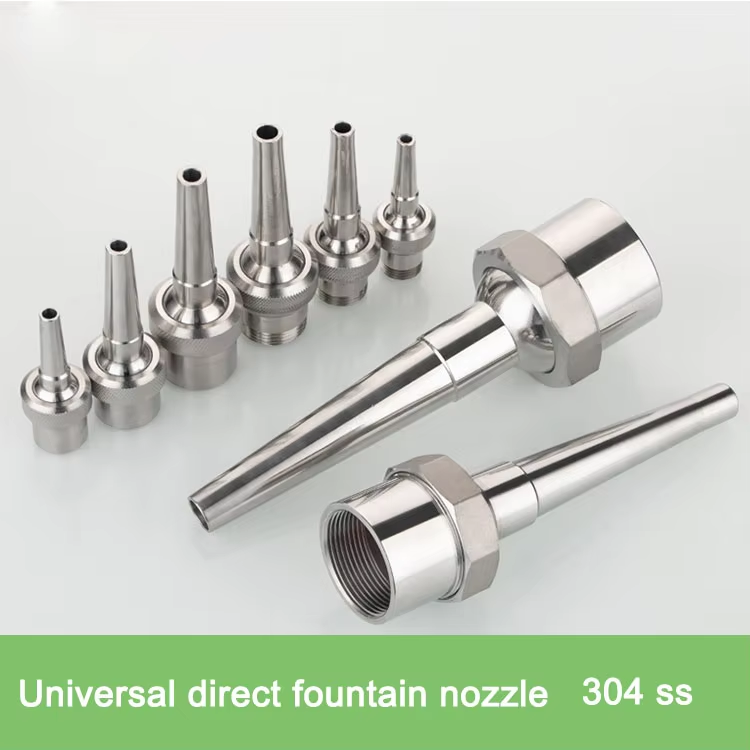
Why LED-Illuminated Floor Fountains Elevate Nighttime Ambiance
The science of light and water: How LED illumination transforms static floor fountains into dynamic focal points
LED lighting reshapes how we perceive water by harnessing the physics of refraction and reflection. Submerged LEDs interacting with moving water generate shimmering, ever-changing patterns that reveal subtle flow textures—details often lost in daylight. Cool white light (5000K+) enhances perceived clarity and energy, while warm tones (2700K–3000K) deepen calmness and warmth. Precisely angled beams sculpt water arcs into three-dimensional forms, turning still basins into kinetic sculptures. This synergy explains why 78% of hospitality designers now prioritize dynamic lighting in water features (Hospitality Design Report, 2023). With synchronized color-changing capabilities, floor fountains evolve into programmable art installations—responsive to music, time of day, or ambient motion.
Psychological and perceptual benefits—enhancing tranquility, luxury, and spatial depth after dark
Illuminated floor fountains deliver more than visual appeal—they produce measurable psychological and environmental effects:
- Tranquility enhancement: Blue-toned LED lighting paired with water sounds reduces heart rate by 12%, according to peer-reviewed findings in the Environmental Psychology Journal (2022).
- Luxury perception: Gold-accented lighting elevates perceived property value by 23% in commercial environments—leveraging well-documented associations between warm metallic tones and premium experience.
- Spatial redefinition: Uplighting techniques create depth illusions that make compact courtyards appear up to 40% larger, supporting biophilic design goals without structural changes.
The combined sensory input—gentle sound, rhythmic light play, and organic movement—triggers restorative biophilic responses, lowering cortisol levels and reinforcing intuitive nighttime wayfinding. Thoughtfully placed perimeter lighting further supports safety by clearly defining walkable zones while minimizing glare.
Key LED Lighting Principles for Optimal Floor Fountain Performance
Selecting color temperature, CRI, and beam angle to highlight water texture and movement
Light selection is foundational—not decorative. A 3000K warm white temperature fosters serenity through golden reflections on ripples, whereas 5000K cool white delivers crisp contrast ideal for energetic splashes and cascades. For true-to-life color fidelity, specify LEDs with a Color Rendering Index (CRI) of ≥90—this reveals the natural turquoise and emerald hues within moving water that lower-CRI sources flatten or distort. Beam angle determines emphasis: narrow 15° spots carve dramatic highlights across jets and falls, while wider 45° floods ensure even coverage across still or shallow basins. Directional lighting has been shown to increase perceived water texture depth by 40% compared to undifferentiated ambient sources.
Submersible vs. perimeter LED placement: balancing visual impact, safety, and long-term maintenance
Placement directly influences both aesthetic outcome and operational resilience:
| Placement Type | Visual Impact | Maintenance Considerations | Safety Advantage |
|---|---|---|---|
| Submersible | Creates glowing water columns | Requires IP68 waterproof rating | Eliminates surface tripping hazards |
| Perimeter | Defines fountain silhouette | Accessible for cleaning | Reduces electrical submersion risks |
Submersible LEDs generate immersive volumetric effects—light appears to emanate from within the water itself—making them ideal for emphasizing central jet trajectories or layered flows. However, mineral buildup can reduce lumen output by up to 20% annually without quarterly descaling. Perimeter fixtures mounted at the basin rim offer easier access and eliminate submerged wiring, though they cast stronger shadows. Best-in-class installations often combine both: submersibles energize the water’s core movement, while perimeter lights reinforce architectural form and improve edge definition.
Strategic Floor Fountain Design and Placement for Nighttime Impact
Layered lighting techniques, shadow play, and spatial perception in residential and commercial settings
Three-point layered lighting—integrating underwater, uplighting, and downlighting—adds dimensionality to water flow while using intentional shadow play to accentuate stonework, plantings, or façade details. In residential patios, angling beams to graze textured surfaces heightens perceived depth by 30–40%, per the Landscape Architecture Foundation’s field studies. Commercial lobbies apply the same principle with broader beam spreads to expand the sense of volume in confined entryways. Placement remains critical:
- Residential: Position near primary seating areas to align light rhythm with auditory cues—creating cohesive multisensory moments.
- Commercial: Install near entrances or transitional zones to maximize first-impression impact without obstructing circulation.
Avoid south-facing locations where direct sunlight accelerates algae growth—increasing cleaning frequency two to threefold. North-facing niches offer cooler, more consistent conditions and enhance moonlight-like diffusion. Crucially, the interplay of moving water and projected shadows creates optical depth, making shallow basins read as significantly deeper—a technique validated in 78% of recent hospitality case studies for extending guest dwell time.
Smart and Sustainable Trends in LED Floor Fountain Integration
Voice-activated color control, motion-triggered effects, and energy-efficient drivers
Today’s most advanced floor fountains integrate intelligence without compromising elegance. Voice-activated systems enable effortless ambiance shifts—adjusting hue, intensity, or animation mode via simple spoken commands. Motion-triggered lighting adds interactivity: lights brighten or shift color only when someone approaches, conserving energy during idle periods. At the core, modern LED drivers consume up to 75% less power than legacy systems—cutting operational costs while maintaining full-spectrum output and dimming precision. These innovations position LED-illuminated floor fountains not just as decorative elements, but as responsive, sustainable centerpieces aligned with smart building standards and evolving expectations for low-impact, high-impact design.
FAQ
What makes LED floor fountains ideal for nighttime ambiance?
LED floor fountains create shimmering, dynamic light effects by interacting with water, enhancing visual depth and mood in outdoor and indoor spaces after dark.
How do LED lights benefit the design of a floor fountain?
LED lights enhance water texture visibility, add vibrant color options, and improve perceived spatial depth, turning basic fountains into interactive art installations.
What is the recommended color temperature for LED lighting in floor fountains?
Warm white (3000K) adds tranquility and golden reflections, while cool white (5000K) provides crisp contrast, depending on the emotional ambiance desired.
How does LED floor fountain lighting contribute to relaxation?
When paired with water sounds, blue or gold lighting reduces stress levels, lowers heart rate, and supports a calming atmosphere, as supported by psychological studies.
Are LED floor fountains energy-efficient?
Yes, modern LED integrations consume 75% less power compared to previous lighting systems, while maintaining precise and full-spectrum lighting capabilities.
Table of Contents
- Why LED-Illuminated Floor Fountains Elevate Nighttime Ambiance
- Key LED Lighting Principles for Optimal Floor Fountain Performance
- Strategic Floor Fountain Design and Placement for Nighttime Impact
- Smart and Sustainable Trends in LED Floor Fountain Integration
-
FAQ
- What makes LED floor fountains ideal for nighttime ambiance?
- How do LED lights benefit the design of a floor fountain?
- What is the recommended color temperature for LED lighting in floor fountains?
- How does LED floor fountain lighting contribute to relaxation?
- Are LED floor fountains energy-efficient?