
 EN
EN



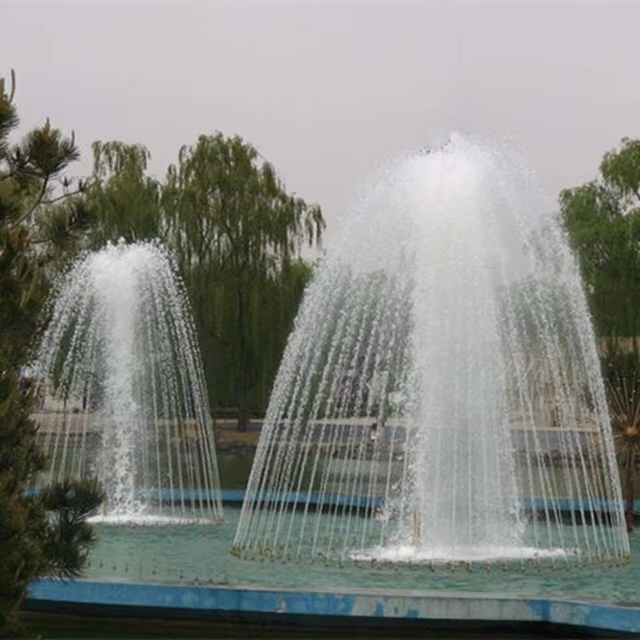
Why Seasonal Maintenance Is Essential for Every Water Fountain Outdoor
Skipping seasonal maintenance for an outdoor water fountain can lead to thousands of dollars in preventable repairs. Freeze-thaw cycles crack concrete or stone basins; summer algae blooms clog pumps; and autumn leaves decay rapidly, producing sludge that stresses the entire system. Industry estimates place a single pump replacement at $200–$400—a cost easily avoided with routine care. Seasonal checks also catch hairline cracks early, before they evolve into structural failures. Fountains receiving quarterly inspections operate at peak efficiency, reducing electricity consumption by up to 15% compared to neglected units. Beyond cost savings, consistent maintenance preserves visual appeal: crystal-clear water and steady flow sustain the tranquil atmosphere that makes a fountain a focal point. Without it, murky water, foul odors, and grinding noises become common—diminishing both function and enjoyment. Ultimately, year-round care is not an expense but a long-term investment in durability and property value.
Spring Revival: Inspecting and Preparing Your Water Fountain Outdoor
Spring is the ideal time to wake your outdoor water fountain from its winter slumber. A thorough inspection and early-season tune-up prevent small issues from becoming costly repairs later.
5-Step Pump and Component Inspection Checklist
- Check the basin and structure – Look for cracks, chips, or sealing failures caused by freeze-thaw cycles. Repair any damage before refilling.
- Clean all surfaces – Use a soft brush and mild cleaner to remove debris, algae, and mineral deposits accumulated over winter.
- Inspect the pump housing – Examine for cracks or warping. Clean the intake screen and impeller to ensure unobstructed water flow.
- Test the pump before installing – Run it in a bucket of clean water to confirm operation and identify unusual noise or vibration.
- Examine electrical connections – Check for corrosion, frayed wires, or loose fittings. Replace any compromised parts immediately.
Smart Diagnostics and Early-Season Troubleshooting Trends
Modern fountain owners increasingly rely on smart diagnostics to catch problems early. A Kill-A-Watt meter reveals pump inefficiency by comparing baseline amperage to seasonal readings, while infrared thermometers detect hot spots in motor windings—early indicators of bearing wear or debris blockages. Combining these tools with visual inspection reduces the risk of pump failure by up to 40% and extends system lifespan.
Summer Care: Preventing Evaporation, Algae, and Overheating in Your Water Fountain Outdoor
UV-Driven Algal Bloom Prevention Strategies
Summer’s elevated temperatures and intense UV radiation create ideal conditions for algae proliferation. Effective prevention integrates mechanical, chemical, and biological approaches: maintain vigorous water circulation to eliminate stagnant zones where blooms initiate; use enzyme-based algae inhibitors formulated for ornamental water features—they’re eco-friendly and safe for pets and local wildlife; remove organic debris (leaves, pollen, insects) weekly to reduce nutrient loading; and scrub submerged surfaces quarterly to eliminate algal attachment points. UV clarifiers have demonstrated a 40% reduction in blooms under controlled conditions, though real-world efficacy depends on fountain design and water volume. Prioritize solutions compatible with your fountain’s materials and regional ecosystem guidelines.
Autumn Transition: Debris Management and Strategic Winterization of Your Water Fountain Outdoor
Falling leaves and organic detritus accumulate rapidly in autumn, clogging pumps and altering water chemistry. Regular removal—using a fine-mesh net or skimmer—prevents nutrient overload and sludge buildup. Once cleaning is complete, winterization planning begins. The central question is whether to fully drain the fountain or retain a partial water level. Partial drainage relies on thermal mass to buffer temperature swings, but it carries freeze-damage risk if temperatures fall below the frost line. Full drainage eliminates that risk entirely—especially critical in USDA zones 6 and colder, where ice expansion can crack reservoirs even with antifreeze additives. In milder climates (zones 7+), a partial drain combined with a low-wattage pump heater may suffice. The safest recommendation remains full drainage and indoor storage of the pump.
Full vs. Partial Drain Debate: Evidence-Based Recommendations
A 2023 survey of fountain repair shops found that 78% of winter cracking cases occurred in partially drained units. Physics confirms why: frozen water expands by 9%, exerting over 2,000 psi of pressure on trapped seams or fittings. While partial drain advocates cite gasket preservation—keeping water in the basin prevents drying—full drainage remains the lower-risk choice for most homeowners. If indoor pump storage isn’t possible, a small amount of antifreeze-safe solution in the pump housing offers a pragmatic compromise. Always consult local frost-depth maps and your fountain’s material specifications before deciding.
Winter Protection: Safely Draining, Covering, and Storing Your Water Fountain Outdoor
Protecting your outdoor water fountain from winter damage requires a systematic approach centered on preventing ice expansion within the structure. Complete drainage—removing every drop of water from the basin, pump housing, and connecting hoses—is foundational to eliminating freeze-thaw risks. Industry best practices emphasize removing the pump entirely for indoor storage, as residual moisture can irreparably damage mechanical components—even under cover. For the fountain itself, use a breathable, waterproof cover that’s securely anchored against wind. This cover must allow ventilation to prevent condensation buildup, which can foster mold or surface deterioration during prolonged storage. Smaller fountains benefit significantly from full indoor relocation, eliminating weather exposure altogether.
Frost-Depth Mapping and Thermal Mass–Guided Drainage Timing
Determining the optimal drainage window hinges on understanding local frost penetration patterns and your fountain’s thermal mass. Dense materials like cast stone or concrete retain cold longer than metals, extending the risk window. Data from the American Society of Civil Engineers’ Regional Frost Depth Guide (2023) highlights key variations:
| Climate Zone | Average Frost Depth | Recommended Drainage Timing | Fountain Material Consideration |
|---|---|---|---|
| Warmer Zones (e.g., Zone 7) | ≤ 12 inches | After first hard freeze (~32°F sustained) | Monitor concrete basins longer |
| Colder Zones (e.g., Zone 5) | 24–36 inches | Before consistent sub-40°F nights (late fall) | Prioritize pump removal early |
Thermal mass matters: a dense marble fountain in Zone 5 requires drainage weeks earlier than a thin-walled copper counterpart. Waiting until the “first freeze” is often too late in colder regions, as ground cooling precedes air freezing. Use local agricultural extension frost maps as your primary guide—drain when soil temperatures near the fountain’s base approach 40°F.
FAQ
Why is seasonal maintenance important for outdoor water fountains?
Seasonal maintenance helps prevent costly repairs due to damage from freeze-thaw cycles, algae buildup, and sludge formation. It ensures the fountain operates efficiently, reduces energy consumption, and preserves its visual appeal.
What should I include in a spring checklist for my water fountain?
Your checklist should involve inspecting cracks and chips, cleaning surfaces, testing the pump, examining wiring connections, and conducting diagnostics for early troubleshooting.
How can I prevent algae during summer months?
Prevent algae by maintaining vigorous water circulation, using enzyme-based inhibitors, removing organic debris weekly, scrubbing submerged surfaces quarterly, and considering UV clarifiers for enhanced control.
What’s the best way to winterize an outdoor water fountain?
Drain all water from the basin, pump housing, and hoses to prevent ice expansion damage. Store the pump indoors and use a breathable, waterproof cover to protect the structure.
When should I drain my water fountain based on regional frost depth?
Drain your fountain before consistent sub-40°F nights in colder zones or after the first hard freeze in warmer zones. Consult frost-depth maps and material specifications for precise timing.
Table of Contents
- Why Seasonal Maintenance Is Essential for Every Water Fountain Outdoor
- Spring Revival: Inspecting and Preparing Your Water Fountain Outdoor
- Summer Care: Preventing Evaporation, Algae, and Overheating in Your Water Fountain Outdoor
- Autumn Transition: Debris Management and Strategic Winterization of Your Water Fountain Outdoor
- Winter Protection: Safely Draining, Covering, and Storing Your Water Fountain Outdoor
-
FAQ
- Why is seasonal maintenance important for outdoor water fountains?
- What should I include in a spring checklist for my water fountain?
- How can I prevent algae during summer months?
- What’s the best way to winterize an outdoor water fountain?
- When should I drain my water fountain based on regional frost depth?