
 EN
EN



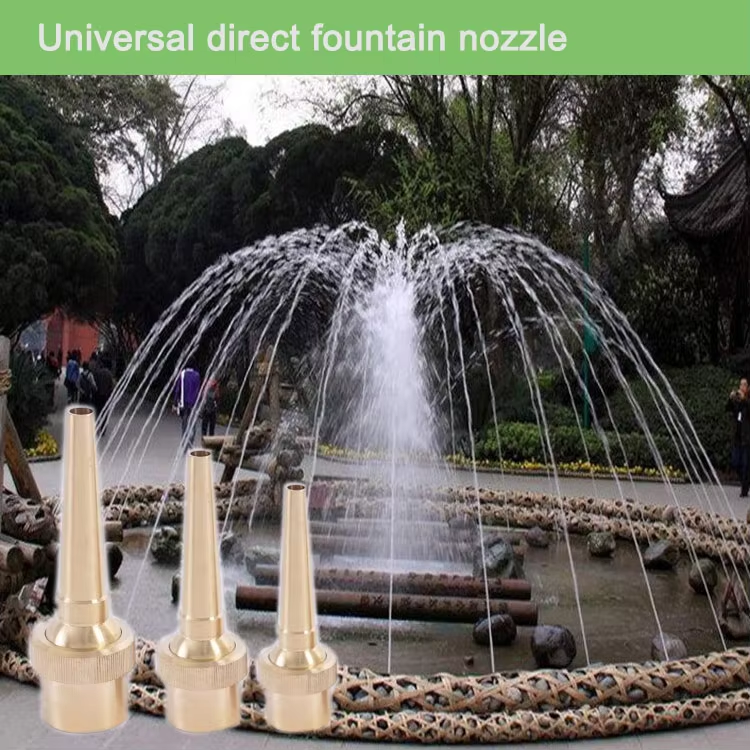
Selecting the Right Fountain Nozzle for Design Intent
Matching Fountain Nozzle Types to Desired Water Effects (e.g., Fan, Jet, Laminar, Mist)
The fountain nozzle acts as the final sculptor of water—translating design intent into tangible hydrokinetic artistry. Selecting the correct type ensures the water feature achieves its envisioned aesthetic and functional purpose. Fan nozzles produce broad, curtain-like sheets ideal for reflective surfaces or backdrops; jet nozzles deliver focused vertical streams suited for dramatic focal points; laminar nozzles create crystal-clear, smooth columns perfect for modern designs requiring optical clarity; and mist nozzles generate fine aerosols that interact beautifully with light for ethereal atmospheres. Each manipulates water differently—impacting pattern definition, droplet size, and visual texture—making precise selection fundamental to realizing the designer’s concept.
Balancing Precision Engineering with On-Site Adjustability in Fountain Nozzle Selection
While precision engineering ensures consistent performance and durability, built-in adjustability addresses real-world installation variables. High-quality nozzles maintain strict tolerances for reliable water patterns and pressure tolerance—critical for complex installations like musical fountains where synchronization is paramount. Yet rotational collars, variable orifice settings, or swivel mounts allow technicians to fine-tune spray angles or flow rates during commissioning, accommodating unforeseen site conditions such as wind exposure or hydraulic variations without compromising design integrity. The optimal nozzle integrates robust manufacturing with thoughtful field-adjustable components—ensuring both artistic precision and practical adaptability throughout the fountain’s lifecycle.
Step-by-Step Fountain Nozzle Installation Best Practices
Begin by gathering essential tools and materials: a level, wrench, screwdrivers, PVC piping, connectors, and the water pump. Place the basin on a firm, level surface to ensure stable water flow—a solid base of gravel or stone helps prevent shifting over time. Install the pump according to the manufacturer’s instructions, submerging it fully and connecting the power supply to a properly grounded GFCI outlet.
Secure the fountain nozzle firmly onto the pump outlet. If using a hose for elevated features, attach it to the nozzle and run it to the desired outlet point. Tighten all connections manually—avoid over-tightening plastic threads—and use waterproof tape only on loose joints to prevent leaks. Fill the basin with water and turn on the pump. Observe the water pattern and check for smooth circulation. Adjust the nozzle orientation or pump flow rate if the stream is weak or uneven.
Inspect for kinks in tubing or air bubbles in the pump housing. For multi-tiered fountains, verify each level receives adequate water. After five minutes of operation, confirm the water level remains stable and no drips appear outside the basin. Proper installation today minimizes future maintenance and preserves the aesthetic performance of the fountain nozzle.
Optimizing Fountain Nozzle Angle for Aesthetic and Functional Performance
How Fountain Nozzle Angle Shapes Water Pattern, Reach, and Visual Hierarchy
The angle of a fountain nozzle directly determines the shape, trajectory, and visual impact of the water. A near-vertical jet creates a tall, dramatic column—ideal for establishing a strong focal point—while a lower angle produces a wider, gentler arc better suited for broad coverage or cascading effects. Designers leverage these variations to establish visual hierarchy: high-angled jets define primary elements, while flatter sprays serve as supportive, background textures. This precise control enables layered, dynamic water compositions that engage viewers across spatial and perceptual scales.
Calibrating Fountain Nozzle Angle for Wind Resistance, Safety, and Sound Modulation
Nozzle angle also governs real-world functionality. In windy environments, lowering the trajectory reduces water drift—keeping the display contained and efficient. For safety, angles must be calibrated to prevent splash onto walkways, seating areas, or electrical fixtures. Sound is equally responsive: a high, narrow stream falling into a pool generates a sharp, percussive splash; a low, wide spray yields a soft, ambient murmur. Optimal calibration balances visual ambition with environmental responsiveness—delivering an engaging experience without operational risk.
Evaluating Fountain Nozzle Performance Beyond Appearance
Integrating Flow Rate, Pressure Tolerance, and Maintenance into Fountain Nozzle Decisions
A fountain nozzle’s visual appeal is only part of its value—long-term performance hinges on technical specifications. Flow rate determines water volume and pattern height; mismatched rates can cause underwhelming displays or pump strain. Always verify that the nozzle’s rated flow aligns with the pump’s output. Pressure tolerance—often specified in psi—is equally critical; selecting a nozzle rated above the system’s maximum pressure adds a safety margin against leakage or distortion. Many modern nozzles incorporate flow regulators or pressure-compensating features to simplify commissioning and improve consistency.
Material choice matters too: stainless steel and brass resist corrosion and extend service life. Maintenance requirements vary widely—laminar nozzles with tight internal channels demand cleaner water and more frequent inspection, while foam or jet nozzles tolerate higher particulate loads and require less frequent cleaning. A realistic maintenance schedule should include periodic cleaning of internal passages and inspection of O-rings for wear. Integrating flow rate, pressure tolerance, and maintenance considerations into the selection process ensures reliable operation, consistent water effects, and extended equipment life—making it a strategic investment for any water feature.
FAQ
What are the common types of fountain nozzles and their water effects?
Fan nozzles create broad, curtain-like sheets; jet nozzles produce focused vertical streams; laminar nozzles form crystal-clear, smooth columns, and mist nozzles generate fine aerosols for ethereal effects.
Why is adjustability important in fountain nozzles?
Adjustability allows technicians to fine-tune spray angles or flow rates to accommodate real-world installation conditions like wind exposure or hydraulic variations.
What tools are necessary for fountain nozzle installation?
Essential tools include a level, wrench, screwdrivers, PVC piping, connectors, and the water pump.
How does nozzle angle impact fountain performance?
Nozzle angle shapes water patterns, reach, and the visual hierarchy. It also affects wind resistance, safety, and sound modulation in the environment.
What materials are best for fountain nozzles?
Stainless steel and brass are ideal for fountain nozzles due to their resistance to corrosion and extended durability.