
 EN
EN



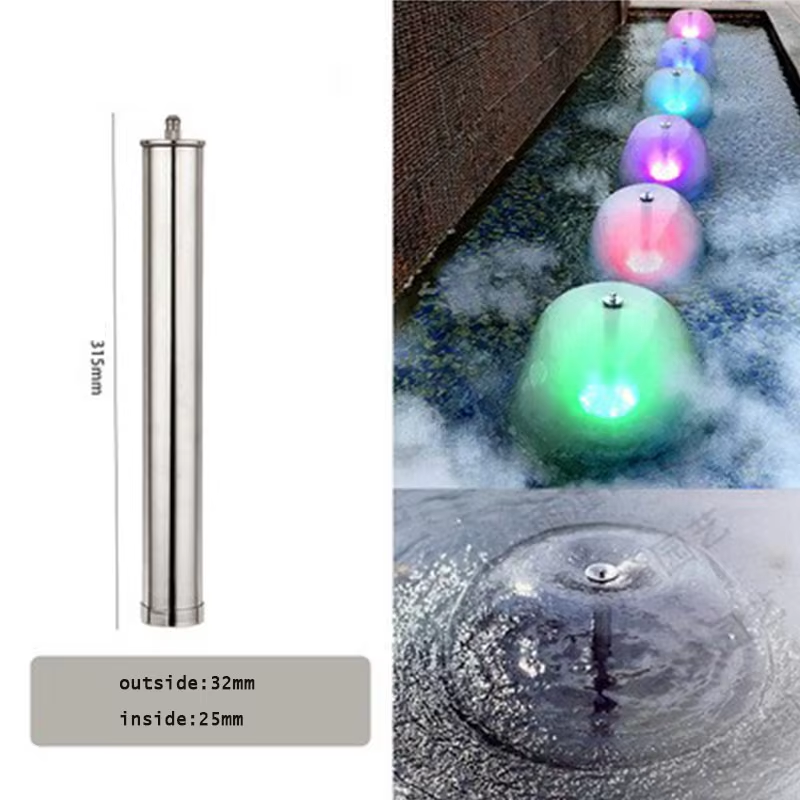
Why Small Mushroom Fountains Excel in Residential Gardens
Space-Smart Design: Compact Footprint for Urban and Courtyard Gardens
According to the Urban Greening Report from 2024, nearly two thirds of city gardeners struggle with spaces smaller than 100 square feet. That's where those little mushroom shaped fountains come in handy for solving all sorts of layout problems. Water flows straight down from the top of these things right into the basin below, taking up hardly any floor space at all but still making a real statement on tight patios or in balcony nooks. The way they stack vertically gives gardens some much needed height without eating up precious ground room, so people can actually install them in spots where regular fountains just won't fit. Made with stuff like cast stone that holds up well over time, even when left outside in small garden areas, these compact designs turn what would normally be frustrating space issues into something pretty and useful instead.
Aesthetic and Psychological Benefits: Whimsy, Calm, and Nature Connection
Mushroom fountains blend whimsy with measurable wellness benefits. Their fairy-tale silhouettes—red-spotted caps or stone-textured stems—trigger nostalgic engagement, while the gentle water sound reduces stress hormones by 31% (National Wellness Institute 2023). This multisensory appeal transforms gardens into restorative habitats:
- Visual delight: Naturalistic forms integrate seamlessly with mossy nooks or fern clusters
- Sound therapy: Low-decibel flow masks urban noise pollution
- Nature bonding: Recirculating water attracts butterflies and songbirds daily
This trifecta of charm, acoustic calm, and ecological interaction makes miniature mushroom fountains uniquely effective micro-retreats for modern homeowners.
Strategic Placement and Design Integration for Maximum Impact
Optimizing Sightlines, Sound, and Sun Exposure in Small Spaces
Getting the positioning right means finding that sweet spot where visibility, sound quality, and lighting all work together harmoniously. A good rule of thumb is to position fountains near where people actually sit or walk through as they enter the space. This creates those natural focal points that draw attention effortlessly. Bedrooms need special consideration though. Don't put them right beneath bedroom windows if at all possible. If that's unavoidable, keep at least six to ten feet between the fountain and any area where folks unwind after a long day. Morning sunlight for around four to six hours helps control algae growth naturally while maintaining that pleasant microclimate around the fountain. When dealing with shaded outdoor areas, consider installing some low energy LED lights strategically placed to showcase the textures and shapes without making things too bright or artificial feeling. And when space is limited, raising the fountain base by about twelve to eighteen inches using terracotta risers makes a big difference in visibility without sacrificing structural integrity.
Complementary Themed Accents: Frogs, Moss, and Native Plant Pairings
Add some fun with quirky little details! Ceramic frogs or turtles sitting at the base make great conversation starters and create those cute little garden scenes everyone loves. Sheet moss works wonders for covering bare spots, while mood moss adds that lovely vertical texture that makes everything look so natural as it blankets stones and softens where different elements meet. For shady areas, go with natives like foamflower or wild ginger since they have those shallow root systems that won't cause any problems around plumbing lines. Studies from Ecology Journal back this up showing gardens with native plants actually support about 60% more wildlife diversity than ones filled with exotic species. And don't forget those ephemeral bulbs such as snowdrops beneath everything else. They burst into bloom right when water flows slow down in colder weather, adding pops of color just when we need them most after long winter grayness.
Effortless Installation and Sustainable Maintenance of Mushroom Fountains
DIY-Friendly Setup: Pre-Assembled Kits, Container Adaptations, and Leveling Tips
Putting together these pre-assembled kits really cuts down on installation time most folks finish them in less than two hours using just basic hand tools. Many people get creative with their setups too, repurposing old ceramic planters or decorative stone bowls as custom bases. The key thing is getting that pump tubing straight underneath where the mushroom cap sits. Leveling matters a lot actually because if it's off even slightly, water will flow unevenly and put stress on the whole system. Always grab a carpenter's level and check the base surface thoroughly before pouring in any gravel. When dealing with sloped areas or rough ground conditions, those adjustable plastic shims come in handy. They sit right under the foundation and help create a stable base that lasts through all seasons without shifting around.
Eco-Conscious Operation: Low-Water, Low-Energy Pumps and Algae Prevention
The newer recirculating pump models can slash water consumption by around 30% compared to older versions, plus they run on about 25 watts max which is roughly what an average LED light uses. Some pumps even work well with solar panels, cutting down on electricity bills significantly. To keep algae at bay without resorting to chemicals, try placing the system where it gets some shade during peak sunlight hours and toss in a handful of barley straw pellets once a month. For folks dealing with hard water issues, giving the parts a quick soak in vinegar mixed with water every three months helps clear out those stubborn mineral deposits. No need for strong cleaners anymore. With all these simple tricks, most people find themselves doing regular maintenance checks only about four times throughout the whole year instead of constantly tinkering with their systems.
FAQs
What are the benefits of installing a small mushroom fountain in my garden?
Small mushroom fountains offer space-saving solutions, aesthetic charm, and psychological benefits like reducing stress and attracting wildlife.
How do I position my mushroom fountain for the best effect?
Position it near seating areas or pathways for maximum visibility and choose spots that get morning sunlight to prevent algae growth.
What maintenance is required for mushroom fountains?
Perform regular maintenance checks about four times a year, use barley straw for algae prevention, and mix vinegar with water to clean parts.