
 EN
EN



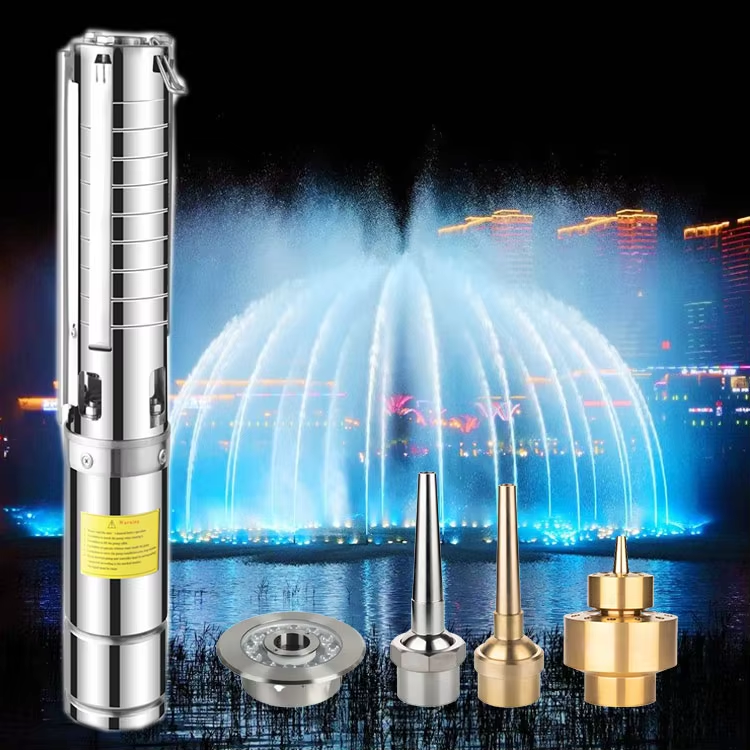
Why High-Pressure DMX Fountain Pumps Are Critical for Large-Scale Installations
Precision DMX Control Enables Dynamic, Choreographed Water Effects
The high pressure DMX fountain pumps work by using the Digital Multiplex (DMX) protocol to get really fine control over how water moves around, which makes those amazing synchronized water shows possible across all those nozzles. These systems can react super fast, under 15 milliseconds actually, so they can change jet heights, angles, and patterns right along with the music or lights happening at the same time. Traditional pumps just aren't cut out for this kind of thing. With DMX setup, every single nozzle or group of pumps gets its own channel, allowing programmers to create intricate effects like those beautiful wave patterns or spinning spirals we see in big shows. For commercial installations though, this kind of detailed control isn't just nice to have it's absolutely essential when audiences expect jaw dropping performances night after night and operators need systems that won't let them down during critical moments.
Meeting Commercial Head Height (65–80+ ft) and Flow Rate (2,000–4,500 GPH) Demands
Standard residential pumps usually handle about 10 to 40 feet of head height with flows below 1,000 gallons per hour, but they simply aren't up to the task for big fountain systems. Large installations need steady vertical lift capabilities between 65 and over 80 feet while moving water at rates from 2,000 all the way to 4,500 gallons per hour across multiple nozzles. High pressure DMX pumps designed specifically for these applications tackle the problem in three main ways. First, their turbo impellers produce around 3 times more thrust compared to regular models. Second, their hydraulic curves are optimized so they maintain at least 80% of their maximum flow even when pumping against 70 feet of elevation. Third, the motors come with overload protection that allows them to run continuously for 18 hours or more each day without losing power or overheating. When people try to cut corners by using undersized equipment, problems quickly arise like inconsistent water jets, stagnant flow patterns, or motors burning out too soon. This not only ruins the fountain display but can also waste tens of thousands of dollars on failed installations.
Key Performance Specifications of Professional DMX Fountain Pumps
Max Head Pressure, Flow Efficiency Curve, and Real-World Output at Elevation
The maximum head pressure for most commercial setups ranges between 65 to over 80 feet and represents what we call the theoretical ceiling for vertical water jets. But real world results hinge heavily on that flow efficiency curve shown in pump specs. These curves basically show how gallons per hour drop off as pressure builds up. When working at higher elevations, expect around 3 to 5% less output for every thousand feet gained due to thinner air. And don't forget about those pesky losses from piping issues either narrow pipes, long runs, or lots of bends can cut effective flow by as much as a quarter. For reliable operation, look for pumps where their published data shows they maintain at least 80% of rated flow at whatever head height needed. This makes all the difference when installing systems in places like mountain lodges where altitude really matters.
DMX-512 Protocol Integration: Sub-15 ms Response, Channel Mapping, and Multi-Zone Synchronization
Most professional fountain systems using DMX depend on the DMX-512 standard because it provides reliable control with minimal delay. Getting below 15 milliseconds response time matters a lot when water needs to move exactly on beat, which becomes super important at concerts or events where even tiny timing problems stand out right away. Every pump or section gets its own special DMX address so technicians can tweak each part individually among thousands of different components through standard channels. The way cables connect in series helps keep all areas synced up properly across large setups, making sure no section falls behind others in timing. Adding RDM capability makes things easier for people running shows since they can change settings mid-performance without stopping what's happening or needing to physically reach every device involved.
Durability Engineering for Outdoor & All-Season DMX Fountain Pump Operation
Marine-Grade Materials, UV-Stabilized Enclosures, and IP68 Sealing Against Moisture and Debris
Fountain pumps installed outdoors deal with constant punishment from their environment. Chlorinated water builds up scale deposits, minerals clog systems, freezing weather causes expansion damage, and sun exposure breaks down materials over time. Good quality pumps fight back against these problems with three main defenses. First, they use either marine grade 316L stainless steel or reinforced plastic casings that stand up better against rust and algae growth. Second, special plastics treated to resist UV light stop them from becoming brittle when exposed to sunlight for long periods. Third, proper seals rated IP68 keep water out even when submerged deeper than ten feet underwater. These combined protections let fountains run without issues throughout extreme seasons, whether dealing with winter ice or summer heat above 100 degrees Fahrenheit. Maintenance becomes much less frequent too. Industry observations show that pumps missing any one of these three protective elements need about three times as many repairs during their first five years of operation compared to fully protected models.
Sizing and System Integration: Matching Your Fountain Design to the Right DMX Fountain Pump
Step-by-Step Sizing Guide: Accounting for Vertical Lift, Pipe Friction, Nozzle Count, and DMX Zone Complexity
Picking out the right DMX fountain pump isn't just about looking at what's in the catalog either. It really starts with doing some serious hydraulic calculations first. Let's start with total dynamic head. Measure how high the water needs to go from where the pump discharges all the way up to the topmost nozzle. Then remember to account for gravity by adding around 4.3 psi for every 10 feet of height difference. Don't forget about friction losses too. Those can be a real pain when pipes are narrow, runs are long, or there are lots of fittings along the way. Some studies show these factors can cut down actual flow rates by nearly a quarter according to research published last year in Fluid Dynamics Journal. When selecting equipment, keep this basic approach in mind:
| Factor | Calculation Method | Impact on Pump Specs |
|---|---|---|
| Nozzle Count | Total GPH = â(nozzle flow rates à 1.2) | Determines minimum flow capacity |
| DMX Zones | 1 controller channel per pump + 10% buffer | Affects control complexity |
Getting DMX zoning right from the start is important stuff. Every single water feature needs its own control zone really. Think about it: the main jet, those outer rings around the pool, even the mist effects they all need separate controls. When we're talking about complex shows with over twenty zones involved, we need pumps that can react fast enough, ideally below fifteen milliseconds response time. And these pumps should handle signals without issues when things get busy too. Check everything against what the manufacturer says about pump efficiency curves. Remember to factor in about seven percent less flow for every hundred feet of pipe running horizontally through the system. Throw in an extra fifteen percent capacity just to be safe. Water gets thicker when it's cold, so this buffer helps avoid problems during winter months and keeps motors from burning out over time.
FAQs
What is DMX in fountain pumps?
DMX refers to the Digital Multiplex protocol, allowing detailed control over individual nozzles or groups of pumps, enabling synchronized water shows with music and lights.
Why can't standard pumps be used for large installations?
Standard pumps lack the capacity to handle high head heights and flow rates required for large installations, and they don't provide the precision control essential for choreographed effects.
What factors should be considered when selecting a DMX fountain pump?
Consider the total dynamic head, friction losses, nozzle count, DMX zone complexity, and ensure the pump can maintain at least 80% of rated flow at the required head height.
Table of Contents
- Why High-Pressure DMX Fountain Pumps Are Critical for Large-Scale Installations
- Key Performance Specifications of Professional DMX Fountain Pumps
- Durability Engineering for Outdoor & All-Season DMX Fountain Pump Operation
- Sizing and System Integration: Matching Your Fountain Design to the Right DMX Fountain Pump
- FAQs