
 EN
EN



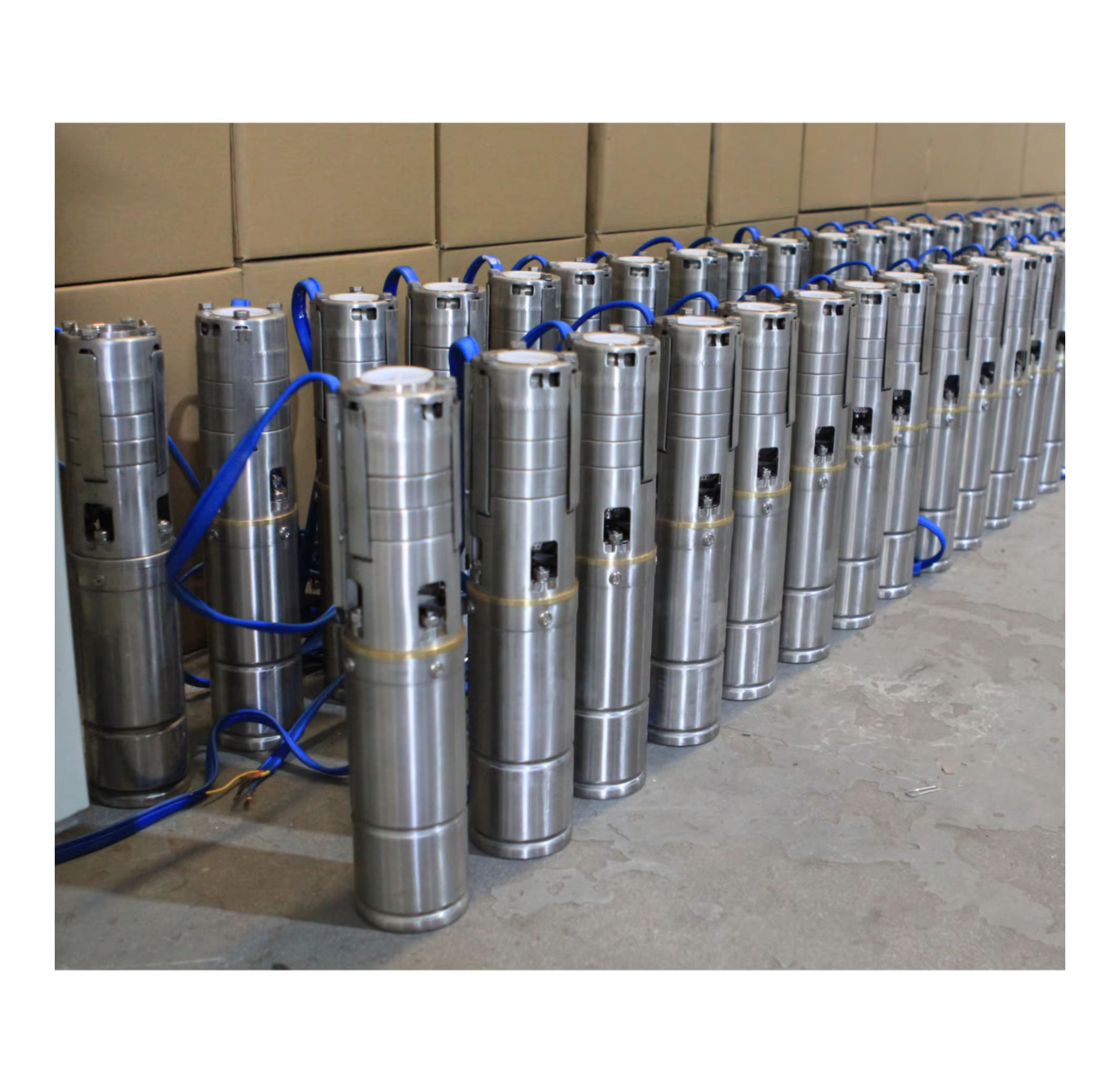
How DMX512 Enables Precise, Addressable Control of DMX Fountain Pumps
DMX512 Protocol Fundamentals: Channels, Universe Limits, and Low-Latency Timing
DMX512, also known as Digital Multiplex 512, has become the go-to protocol for controlling devices in sync, especially in professional fountain setups. Most fountain pumps need around 3 to 5 separate DMX channels just to adjust things like how high the water shoots, how fast it flows, where it goes, and even those fancy light effects we see sometimes. One DMX universe can handle up to 512 channels total, which means about 170 pumps can be controlled at once in most setups. The system runs at a steady 44Hz refresh rate, giving us response times under 25 milliseconds. That kind of timing is really important when creating those amazing water displays where everything needs to happen together without any noticeable delay between different jets. According to what many professionals report, somewhere around 9 out of 10 big fountain shows still stick with DMX512 because it just works so reliably without those annoying glitches, particularly when dealing with installations that have more than 100 pumps running simultaneously.
Onboard DMX Decoding vs. External Signal Conversion: Impact on Pump Response Accuracy
Integrated DMX decoders in fountain pumps offer much better response quality than systems that depend on external signal conversion. These onboard processors read DMX512 signals straight away, getting commands executed in about 5 milliseconds or less, which keeps everything timed properly throughout the whole system. External converters work differently though. They need to translate signals through analog or PWM layers first, adding around 15 to 30 milliseconds of extra delay time. This makes them more prone to timing issues when things get busy. Field tests show that pumps with built-in decoding hit about 98% accuracy rate while those using external converters only reach around 82%. The difference really stands out during complex sequences like moving water patterns or synchronized light displays where even a small 10 millisecond lag can break the visual effect completely. Getting rid of all that extra hardware also makes systems more reliable overall. According to real world data collected by people who install these systems for big events, fountain pumps with integrated decoders experience roughly 40% fewer sync problems during extended performances at public venues.
Hardware Selection and Integration for Reliable DMX Fountain Pump Operation
Getting the right hardware makes all the difference when it comes to keeping DMX fountain systems running smoothly, staying safe, and lasting longer. Low voltage pumps at 24V DC are generally safer options since they meet important electrical safety standards like NFPA 70E and IEC 60335. These can cut down electric shock risks significantly compared to regular AC alternatives. Look for DMX pumps that have built-in decoders so there's no need for extra conversion equipment. This helps keep signals clean and responses fast enough for most applications. The physical build quality matters too. Go for units made with fiberglass reinforced polymer casings and filters that can be cleaned while still underwater. When it comes to wiring, many installers prefer star topology setups with proper shielding on those 5 conductor cables (power plus/minus, DMX data lines, and ground). This helps block out interference from nearby power lines or other lighting equipment. Don't forget to check if DMX addresses match up with what the system can handle each universe holds around 512 channels after all. Some top brands now make IP68 rated pumps with features like automatic dry run protection and temperature sensors built in. Installations in busy public spaces report these models tend to last much longer between breakdowns than older versions did.
Synchronizing DMX Fountain Pumps with Music and Lighting for Immersive Shows
Beat-Matching Water Jets to Audio Waveforms Using Timecode or BPM Input
Getting music and water features perfectly synced starts with doing the audio analysis at the control panel itself, not down at the pump station where things get messy. Today's lighting and effects controllers eat up either SMPTE time codes or BPM signals from the music, then fire off those DMX commands for lights and water features in under half a second total lag time. Think about how a kick drum thump might send a jet of water shooting skyward, while long held vocal tones could create gentle undulating waves across the pool surface. Some of the fancier setups actually run FFT calculations behind the scenes to separate out different parts of the sound spectrum. They'll map those deep bass hits to big splashy jets and assign the higher frequencies to delicate mist sprays or subtle ripples on the water. What this does is turn the whole water display into something that breathes with the music itself, making the emotional connection stronger without anyone having to tap their foot or second guess when to start a sequence.
Unified DMX Universe Management: Coordinating Pumps, Lights, and Effects in Real Time
When everything operates under a single DMX universe, there's no more frustration from devices getting out of sync, and setting things up becomes much easier for technicians. The trick is to give each component like water fountains, LED lights, fog generators, and laser systems their own specific spots in the DMX address range without overlapping. All these gadgets then follow the same 44Hz timing reference point. What makes this setup so valuable? Well, it actually provides three main advantages when it comes to keeping everything perfectly synchronized during performances or events:
| Control Aspect | Synchronization Benefit |
|---|---|
| Channel allocation | Dedicated addresses prevent signal conflicts |
| Real-time DMX refreshing | Maintains <20ms response for all devices |
| Effect sequencing | Links water arcs to color changes seamlessly |
Using contiguous addressing makes it easy to group things logically. For instance, we might assign channels 1 through 120 for fountains, then 121 to 240 for LED lights, and finally 241 through 300 for fog effects. This setup creates those amazing synchronized moments where strobes flash right when geysers reach their peak. Once systems need more than 512 channels, Art-Net gateways come into play. These devices boost capacity without messing up the timing between different universes. What this means is that all the components stay perfectly synced no matter what. Lasers, fog machines, and water features continue working together seamlessly as part of one big performance piece, even when expanding operations.
Programming and Testing Synchronized Water Choreography with DMX Software
Building Fountain Cue Lists in DMXControl 3 and DDFCreator for DMX Fountain Pumps
Software like DMXControl 3 and DDFCreator helps turn creative ideas into actual water displays that work the same way every time. The programs assign specific DMX addresses to each fountain pump, giving detailed control over things like how high jets go, how long they stay up, when they speed up or slow down, and how they fade out through easy-to-use timeline features. With DDFCreator's drag and drop interface for building cues, designers can quickly test out complicated effects such as spinning spirals or waves that spread out from different points at once, all while keeping everything synced within fractions of a second so it matches music perfectly. DMXControl 3 takes this further by showing what the whole display will look like in three dimensions right on screen before any water starts moving. This cuts down on setup time by around 40 percent and saves money by catching problems early on like pumps accidentally using the same channels or timing issues caused by pressure differences between different parts of the system.
Best practices when building cue lists include:
- Assigning unique, non-overlapping DMX addresses to every pump
- Grouping pumps into logical zones (e.g., "center arc," "perimeter ring") for coordinated motion
- Applying custom fade curves to match hydraulic response characteristics—especially critical when matching 500ms pump ramp times to musical phrasing
Rigorous virtual testing validates both logic and timing: designers adjust pressure sensitivity curves to reflect actual pump specifications, ensuring water movement responds predictably to DMX values. This software-driven workflow enables robust, scalable choreography—supporting synchronized operation of 32+ pumps as a single responsive instrument, fully aligned with DMX512 timing constraints.
FAQ
What is DMX512 used for in fountain pumps?
DMX512 is used for controlling devices in sync, allowing for precise adjustments of water height, flow speed, direction, and lighting effects in fountain pumps.
Why are onboard DMX decoders preferred over external signal converters?
Onboard DMX decoders offer better response quality and timing accuracy, with less delay compared to systems that require external signal conversion.
What are the advantages of low voltage pumps in DMX fountain systems?
Low voltage pumps at 24V DC are safer and meet important electrical safety standards, reducing the risk of electric shock.
How can DMX fountain pumps be synchronized with music?
Music is analyzed at the control panel using SMPTE time codes or BPM signals, coordinating DMX commands for lights and fountain features to match audio waveforms.
Table of Contents
- How DMX512 Enables Precise, Addressable Control of DMX Fountain Pumps
- Hardware Selection and Integration for Reliable DMX Fountain Pump Operation
- Synchronizing DMX Fountain Pumps with Music and Lighting for Immersive Shows
- Programming and Testing Synchronized Water Choreography with DMX Software
- FAQ