
 EN
EN



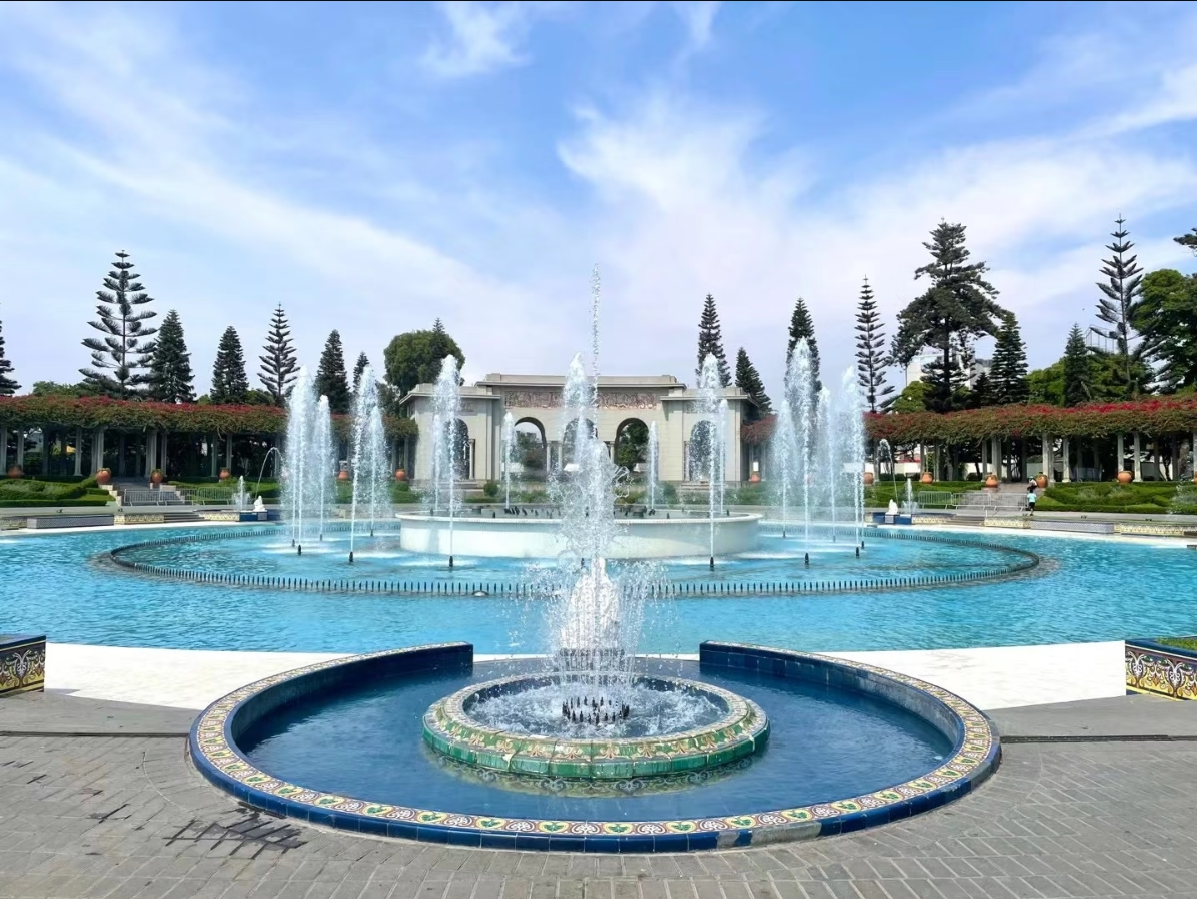
Strategic Outdoor Water Fountain Placement for Maximum Curb Appeal
Entrance-Area Focal Points: Leveraging First Impressions
Positioning an outdoor water fountain near your entryway capitalizes on first impressions. Research shows focal points within 10 feet of entry doors boost perceived home value by up to 7% (Landscape Economics Journal 2025). For optimal impact:
- Align with the home’s central axis to create visual symmetry
- Maintain clear sightlines from street view without obstructing pathways
- Ensure proportional scale—fountains shouldn't exceed one-third the height of doorway arches
Driveway and Pathway Integration for Guided Visual Flow
Integrate water features along driveways to guide visitors toward your entrance. Curved pathways benefit most from tiered fountains placed at corners to soften hardscapes, transition points between garden zones, and midway intervals to sustain visual engagement. Use this placement formula:
| Pathway Length | Recommended Spacing | Fountain Height |
|---|---|---|
| < 50 ft | Singular focal point | 3–4 ft |
| 50–100 ft | 30–40 ft intervals | 2–3 ft |
| > 100 ft | 50 ft intervals | 1–2 ft |
Auditory Zoning: Positioning for Soothing Sound Without Disruption
Studies published in Environmental Psychology Review back in 2024 show water features can actually lower stress hormone levels by around 12%. Pretty impressive for something as simple as a fountain! But there's an art to placing these soundscapes right. For best results, set up fountains at least 15 to 20 feet away from bedroom windows where nighttime noise might become bothersome. Position them downwind from outdoor seating areas too, taking advantage of local wind patterns. Courtyards and enclosed garden spaces work wonders for containing those annoying splash sounds. When selecting equipment, steer clear of low frequency pumps near property boundaries since they tend to carry farther than we'd like. Adjustable flow pumps make sense though, allowing folks to tweak the volume according to seasons and specific needs throughout the year.
Matching Outdoor Water Fountain Scale, Style, and Materials to Your Home
Proportionality Rules: Aligning Fountain Footprint with Front-Yard Dimensions
Getting the size right for your fountain makes all the difference in how it looks in the landscape. As a general rule of thumb, the fountain shouldn't take up more than about 10 to 15 percent of what people see when they look at the front yard. Small yards work best with something compact, maybe under two feet tall, whereas bigger properties can handle impressive centerpieces reaching up to four feet high. When fountains are too big, they start crowding walkways. Too small and they just vanish into the background. Think about matching scale with space: a cute little courtyard often looks great with a wall mounted tiered design, but those fancy estates with plenty of room really shine with standalone statues or elaborate freestanding pieces. Don't forget to check out how the fountain appears from different angles around the house, especially near entrances and main windows, so everything comes together nicely without looking forced.
Material and Design Harmony: Stone, Metal, or Ceramic in Context
What materials we choose really affects how long things last and how everything looks together. Take natural stone for instance granite and slate have that classic charm that fits right into traditional houses. These stones can stick around for generations without needing much maintenance at all. On the flip side, metals like copper or stainless steel work great for contemporary outdoor spaces, though they need regular checks against rust especially after harsh winters. Glazed ceramics bring colorful flair to mixed style gardens, but watch out those pretty surfaces chip easily when temperatures swing between freezing and thawing. When picking materials, think about what already exists on the house itself. Weathered looking stone works wonders next to brick walls, and brushed metal finishes actually mirror the smooth lines of modern buildings quite nicely. Speaking of which, those fancy multi-level fountains just don't fit with simple designs. Always grab some sample pieces and lay them out beside the house during the day light hours to see if they actually match up visually.
| Material | Best Suited For | Maintenance Needs |
|---|---|---|
| Natural Stone | Traditional/Cottage | Low (annual sealing) |
| Metal | Modern/Industrial | High (rust removal) |
| Ceramic | Eclectic/Mediterranean | Moderate (frost care) |
Integrating Outdoor Water Fountains with Landscape and Lighting Elements
Synergy with Plantings, Hardscaping, and Symmetry for Cohesive Entry Design
Place the fountain at the heart of the landscape, letting it serve as the main focal point surrounded by matching plants and features. For the area around the fountain base, try planting some easy care perennials such as lavender or decorative grasses. These help to smooth out harsh lines and make the transition between different areas look more natural. When it comes to hard surfaces, go for materials that match what's already there. Think flagstone paths or gravel borders that work well with stone basins and slate pavers. If working with tiered fountains, consider putting similar looking pots or trimmed bushes on either side to create balance. Getting these elements right means the fountain won't stick out like a sore thumb but instead becomes part of the overall garden design. Spaces that once felt broken or disconnected now become cohesive entry points that invite people in rather than pushing them away.
Nighttime Enhancement: Strategic Lighting for Drama and Safety
Want to make that fountain stand out when the sun goes down? Try some strategic lighting techniques. Waterproof LED lights submerged beneath the surface create those beautiful ripples as water flows over them, giving the whole display some real motion. Pointing lights upward at statues or interesting textures from below really brings out all those fine details in the stone work. Safety matters too, so putting path lights along nearby walking areas helps people navigate without stumbling, but still keeps things looking nice. Stick with warm white LEDs around 2700K to 3000K if possible. They don't hurt the eyes like brighter bulbs and actually look closer to moonlight, plus they won't draw in so many bugs. When done right, good landscape lighting does double duty - it makes the property look great at night while also serving practical purposes for everyone who walks past it after dark.
Practical Considerations for Safe and Sustainable Outdoor Water Fountain Installation
Drainage, Clearance, and Slope Requirements to Prevent Damage or Hazards
Good drainage keeps water from pooling around buildings where it can wear down foundations or create dangerous electrical situations. A slope of about 1 to 2 percent will help move excess water away from buildings. Also important is leaving at least three feet between walls and walkways so maintenance workers can actually get close when needed. Before putting anything in place, check for buried pipes and cables first. And don't forget to make sure the fountain base is completely level. Uneven bases put extra stress on pumps and lead to breakdowns much sooner than they should. Following these steps cuts down on wasted water by roughly 30 percent according to Landscape Management Journal last year. Plus, this approach stops soil from getting too wet and stops mosquitoes from multiplying in standing water. For best results over time, install materials that let water soak through underneath the basin area. This helps replenish groundwater supplies and makes everything more stable in the long run.
FAQ Section
What are the best materials for outdoor water fountains?
Natural stone, metal, and ceramic are top choices, each offering unique aesthetic and maintenance needs. Natural stone suits traditional settings, metal is great for modern aesthetics, and ceramic adds flair to eclectic designs.
How can I enhance the nighttime appeal of my fountain?
Use waterproof LED lights for dramatic effects, illuminate statues and textures, and ensure pathways are lit for safety. Opt for warm white LEDs to mimic moonlight and reduce insect attraction.
What factors should I consider for outdoor fountain placement?
Consider entrance area focal points, driveway integration, auditory zoning, and scale proportionality. Ensure clear sightlines, proper spacing, and match fountain design with your home's style.
How do I ensure proper drainage for a fountain?
Ensure a slope of 1-2% to direct water away from buildings. Maintain at least three feet of clearance from walls and walkways, and use materials that aid water absorption under the basin to manage excess water effectively.